






Wrigley Field is more than just a baseball stadium; it is a cultural icon deeply embedded in the fabric of Chicago. Known for its ivy-covered walls and historic charm, Wrigley Field has been a gathering place for sports fans and a symbol of the city's rich heritage. This article explores the cultural and symbolic impact of Wrigley Field on Chicago and its residents, highlighting its role as a beloved landmark and community hub.
A Gathering Place for Sports Fans
Since its opening in 1914,
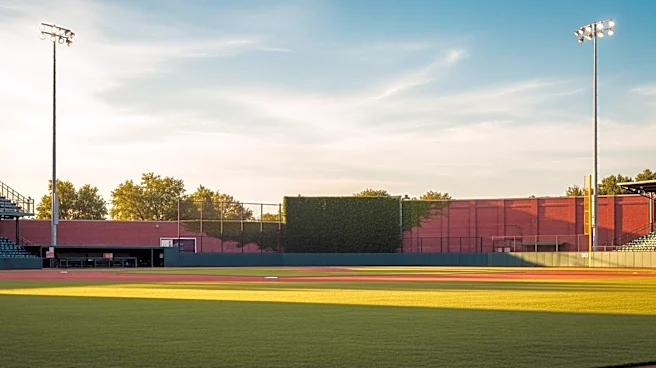
Wrigley Field has been a central hub for sports fans in Chicago. The stadium's unique features, such as its manual scoreboard and ivy-covered walls, have made it a favorite among baseball enthusiasts. The atmosphere at Wrigley Field is electric, with fans coming together to support the Chicago Cubs and celebrate the sport of baseball.
Wrigley Field's location in the Lake View neighborhood adds to its appeal, as it is easily accessible to residents and visitors alike. The surrounding area, known as Wrigleyville, is filled with bars, restaurants, and shops that cater to fans before and after games. This vibrant community atmosphere enhances the overall experience of attending a game at Wrigley Field, making it a cherished destination for sports fans.
Symbol of Chicago's Heritage
Wrigley Field is not just a sports venue; it is a symbol of Chicago's rich heritage and history. The stadium's iconic features, such as the ivy-covered walls and historic marquee, have become synonymous with the city itself. These elements reflect the timeless charm and character of Chicago, drawing visitors from around the world.
The stadium's designation as a National Historic Landmark in 2020 further solidifies its status as a cultural icon. This recognition highlights the importance of preserving Wrigley Field's unique features and ensuring its legacy for future generations. As a symbol of Chicago's past, Wrigley Field serves as a reminder of the city's enduring spirit and resilience.
Community Impact and Legacy
Wrigley Field's impact extends beyond the realm of sports, influencing the community and fostering a sense of pride among Chicago residents. The stadium has hosted various events, including civil rights rallies led by Martin Luther King Jr., boxing matches, and soccer games, showcasing its versatility and significance.
The renovations and improvements made to Wrigley Field over the years have ensured its continued relevance and functionality. The Ricketts family's commitment to preserving the stadium's historic features while modernizing its infrastructure reflects the importance of maintaining Wrigley Field as a cultural landmark.
In conclusion, Wrigley Field is more than just a baseball stadium; it is a cultural icon that embodies the spirit of Chicago. Its rich history, iconic features, and community impact make it a cherished part of the city's heritage, drawing fans and visitors from around the world.