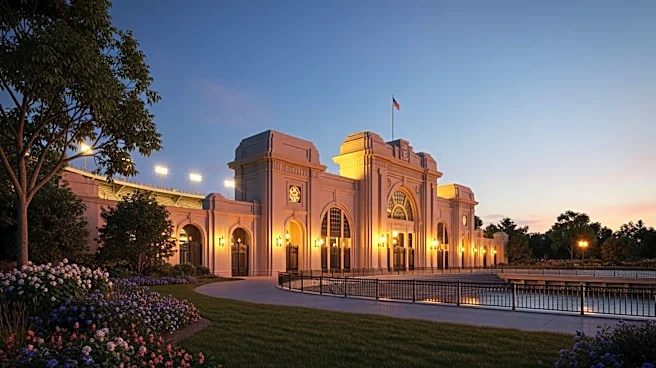








Sausalito Stadium, located in Viña del Mar, Chile, is a historical landmark with a rich legacy in the world of sports. Built in 1929, the stadium has been a central venue for various international events, including the 1962 FIFA World Cup. Its name, derived from its sister city Sausalito, California, reflects the cultural ties between the two cities. Over the years, Sausalito Stadium has become an integral part of Viña del Mar's identity.
Early Years and Construction
The construction
of Sausalito Stadium began during the first government of Carlos Ibáñez del Campo in 1929. The stadium was initially built to serve as a multi-purpose venue, primarily for football matches. Its strategic location in Viña del Mar made it an ideal spot for hosting large-scale events. The stadium's design and capacity of 23,423 allowed it to accommodate a significant number of spectators, making it a prominent venue in the region.
In 1960, the stadium faced a major setback when it was severely damaged by the Valdivia earthquake. However, the local authorities swiftly undertook reconstruction efforts, ensuring that the stadium was ready to host the 1962 FIFA World Cup. This rapid recovery demonstrated the resilience and determination of the Viña del Mar community to maintain the stadium's status as a premier sports venue.
Hosting the 1962 FIFA World Cup
Sausalito Stadium's most notable moment came when it was selected as one of the venues for the 1962 FIFA World Cup. The stadium hosted eight matches, including a semi-final between Czechoslovakia and Yugoslavia. The World Cup brought international attention to Viña del Mar and showcased the stadium's capability to host high-profile events.
The matches held at Sausalito Stadium were part of Group 3, featuring teams like Brazil, Mexico, Czechoslovakia, and Spain. The stadium witnessed Brazil's 2-0 victory over Mexico, a match that marked the beginning of Brazil's successful World Cup campaign. The atmosphere during these matches was vibrant, with fans from around the world gathering to support their teams.
Legacy and Modern Developments
The legacy of the 1962 FIFA World Cup continues to influence Sausalito Stadium's role in international sports. The stadium has since hosted other significant events, such as the Copa América in 1991 and 2015, and a FIFA U-17 World Cup. In 2015, the stadium underwent a complete renovation, further enhancing its facilities and ensuring its continued relevance in the sporting world.
Today, Sausalito Stadium remains the home ground for CD Everton, a prominent football club in Chile. Its historical significance and modern amenities make it a cherished landmark in Viña del Mar. The stadium's enduring legacy is a testament to its importance in the history of sports and its role in shaping the cultural identity of the city.