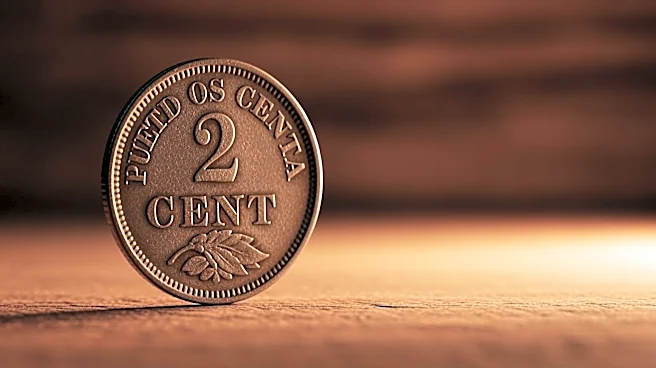







The two-cent piece, minted from 1864 to 1873, was a short-lived but significant part of U.S. coinage history. Introduced during the economic turmoil of the Civil War, it was initially popular but eventually overshadowed by other coins. This article examines the production, circulation, and eventual discontinuation of the two-cent piece, highlighting its journey through American monetary history.
Production and Initial Popularity
The two-cent piece was authorized by the Coinage Act
of 1864, signed by President Abraham Lincoln. It was minted at the Philadelphia Mint, with no mint marks, and was composed of 95% copper and 5% tin and zinc. The coin weighed 6.22 grams and had a diameter of 23.00 mm, making it larger than the contemporary cent.
The coin's initial popularity was due to the wartime coin shortage, which had left a gap in the availability of small change. The two-cent piece, along with the new bronze cent, helped alleviate this shortage. Mint Director James Pollock reported unprecedented demand for both coins, and every effort was made to increase production. In its first year, nearly twenty million two-cent pieces were minted, reflecting its acceptance by the public.
Circulation and Decline
Despite its initial success, the two-cent piece's popularity waned after the Civil War. The introduction of other base-metal coins, such as the three-cent piece and the nickel, provided more convenient options for small change. The nickel, in particular, became a favored choice due to its smaller size and ease of use.
As demand for the two-cent piece decreased, mintages declined each year. By the end of the 1860s, it was evident that the coin was no longer necessary. The Mint Director at the time, Henry Linderman, advocated for the redemption of surplus copper and bronze coinage, including the two-cent piece. In 1871, Congress passed a redemption act allowing for the exchange of minor coinage, leading to the withdrawal and melting of large quantities of two-cent pieces.
Discontinuation and Legacy
The two-cent piece was officially discontinued by the Mint Act of 1873, which aimed to revise and modernize U.S. coinage laws. With the coin's abolition, only 65,000 were struck for circulation in 1872, and in 1873, it was produced only in proof condition. The decision to discontinue the two-cent piece was part of a broader effort to streamline the nation's coinage system.
Although the two-cent piece had a relatively short lifespan, it remains an interesting chapter in American numismatic history. Its introduction marked a response to the economic challenges of the Civil War, and its design introduced the enduring motto "In God We Trust" to U.S. coins. Today, the two-cent piece is a collector's item, valued for its historical significance and unique place in the evolution of American currency.