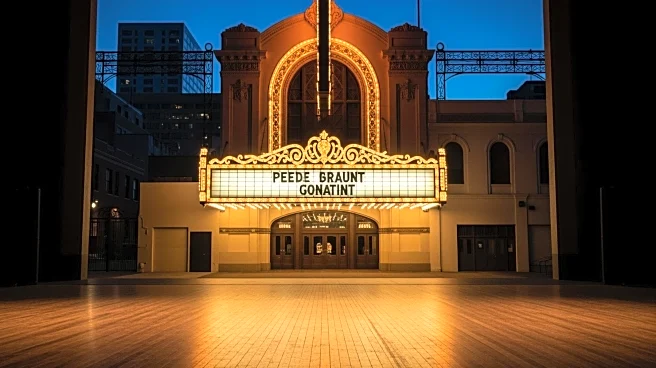



The Broadway Theatre, located in Midtown Manhattan, has been a significant player in shaping New York City's cultural and social landscape. Since its opening in 1924, the theater has hosted a wide array of performances, contributing to the city's reputation as a global center for the arts. This article examines the cultural and social impact of the Broadway Theatre, highlighting its influence on New York's vibrant theater district.
A Hub for Theatrical Innovation
The Broadway Theatre
has been at the forefront of theatrical innovation, hosting groundbreaking productions that have captivated audiences. From its early days as a movie palace to its transition into a legitimate theater, the venue has consistently pushed the boundaries of performance art. Notable productions such as "Carmen Jones" and "Les Misérables" have graced its stage, showcasing the theater's ability to attract high-caliber talent and productions.
The theater's large seating capacity and expansive stage have made it a popular choice for producers looking to transfer successful shows from smaller venues. This has allowed the Broadway Theatre to play a pivotal role in introducing new works to larger audiences, fostering a culture of creativity and experimentation within the theater district.
Social Impact and Community Engagement
Beyond its artistic contributions, the Broadway Theatre has had a profound social impact on the local community. The theater's location in the heart of Manhattan has made it accessible to a diverse audience, drawing visitors from all walks of life. This inclusivity has helped to democratize the arts, making theater accessible to a broader demographic.
The Broadway Theatre has also been involved in various community engagement initiatives, partnering with local organizations to promote the arts and support emerging talent. These efforts have strengthened the theater's ties to the community, reinforcing its role as a cultural institution that values social responsibility.
Enduring Legacy and Future Prospects
The Broadway Theatre's enduring legacy is evident in its continued popularity and relevance in New York's cultural scene. Despite challenges such as the COVID-19 pandemic, the theater has remained a vital part of the city's arts landscape, adapting to changing circumstances while maintaining its commitment to excellence.
Looking to the future, the Broadway Theatre is poised to continue its role as a cultural beacon in New York City. With ongoing renovations and a diverse lineup of performances, the theater is well-equipped to meet the evolving needs of audiences and artists alike. Its impact on the cultural and social fabric of the city is undeniable, ensuring its place as a cherished landmark for generations to come.