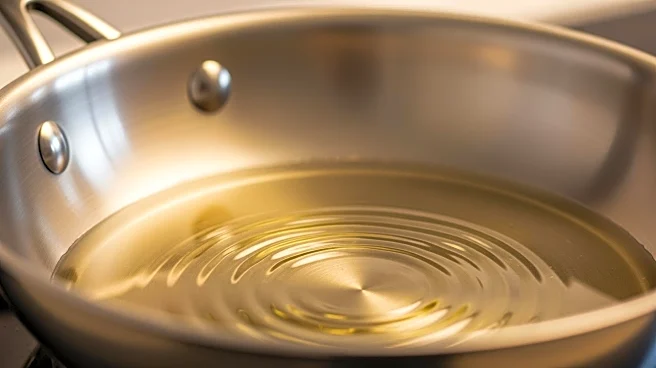



Shallow frying is a popular cooking method that involves cooking food in a small amount of hot oil. This technique is often used for meats, fish, and vegetables, providing a crispy texture and rich flavor. Unlike deep frying, which fully submerges food in oil, shallow frying uses just enough oil to partially cover the food, making it a less intense cooking method.
Understanding the Technique
Shallow frying is performed at medium-high to high temperatures, typically ranging from
320 to 374 °F. This high heat is crucial as it promotes protein denaturation and browning, which are essential for achieving the desired texture and flavor. The process may also involve the Maillard reaction, a chemical reaction that enhances the taste and color of the food.
Foods prepared for shallow frying are usually pre-portioned into single servings. This ensures even cooking and makes it easier to manage the food in the pan. Since the food is only partially submerged in oil, it must be turned over halfway through the cooking process to ensure both sides are cooked evenly. Some cooks recommend starting with the "presentation" side of the food to achieve a more appealing final dish.
Preparing Foods for Shallow Frying
Before shallow frying, foods are often coated in a batter, breading, or flour. This coating not only adds flavor but also helps create a crispy exterior. The starchy coatings, typically made from wheat flour or corn starch, become rigid and porous when heated in oil. This rigidity helps retain moisture within the food, contributing to the crispy texture that is highly sought after in fried foods.
The choice of coating can vary depending on the desired outcome. Breading, crumbing, velveting, or dredging are common methods used to prepare food for shallow frying. Each method offers a unique texture and flavor profile, allowing cooks to customize their dishes according to personal preference.
Health Considerations
While shallow frying is less intense than deep frying, it still involves cooking food in oil, which can impact its nutritional value. Studies have shown that oils used in shallow frying, such as margarine and virgin olive oil, can oxidize and destabilize, leading to the degradation of heat-sensitive nutrients and loss of antioxidant properties.
Despite these concerns, shallow frying may be a healthier alternative to deep frying, as it generally involves less oil and shorter cooking times. However, the oil absorption rates of shallow-fried foods are similar to those of deep-fried foods, meaning it may not be the best option for calorie control or weight management. Additionally, both shallow and deep frying can increase the acrylamide content in foods, a compound that has raised health concerns.
In conclusion, while shallow frying offers a delicious way to prepare a variety of foods, it is important to be mindful of the health implications associated with this cooking method. By understanding the technique and making informed choices about ingredients and cooking practices, one can enjoy the benefits of shallow frying while minimizing potential health risks.