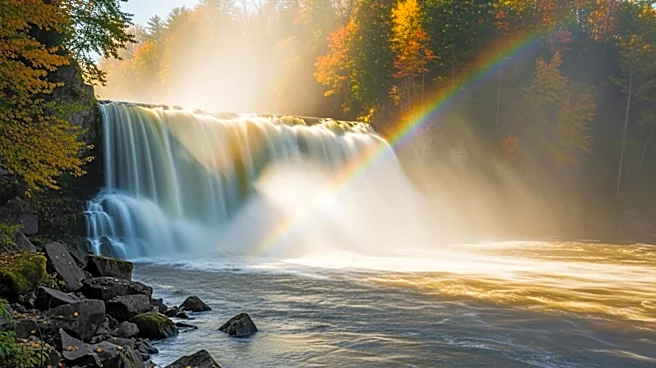

Niagara Falls, Ontario, is not only a natural wonder but also a cultural hub that has influenced the region's identity and social fabric. The city, located on the western bank of the Niagara River, has a rich
cultural history that reflects its diverse population and the significance of the waterfalls. From its early days as a settlement to its current status as a tourist destination, Niagara Falls, Ontario, has played a pivotal role in shaping the cultural landscape of the area.
Indigenous and Early European Influences
The cultural history of Niagara Falls, Ontario, begins with the Neutral people, an Iroquoian-speaking group who inhabited the area before European contact. Their presence laid the groundwork for the cultural diversity that would follow. The arrival of Europeans in the late 17th century brought new cultural influences, with French colonists settling in Lower Canada and establishing a presence in the region.
The city's cultural evolution continued with the influx of Loyalists after the American Revolutionary War. These settlers brought their own traditions and customs, contributing to the area's cultural tapestry. The establishment of the British Methodist Episcopal Church in 1856 for African-Canadian worshipers further enriched the cultural landscape, serving as a destination on the Underground Railroad.
Cultural Institutions and Events
Niagara Falls, Ontario, is home to a variety of cultural institutions and events that celebrate its diverse heritage. The city hosts numerous festivals, such as the Winter Festival of Lights and the Niagara Icewine Festival, which attract visitors from around the world. These events showcase the city's vibrant arts scene and highlight its cultural significance.
The city also boasts several museums, including the Niagara Falls History Museum and the Niagara Military Museum, which preserve and promote the area's rich history. The Lundy's Lane Historical Society and the Battle of Lundy's Lane Walking Tour offer insights into the city's past, while the Niagara Falls Wedding and Fashion Museum celebrates its status as a honeymoon capital.
Modern Cultural Dynamics
Today, Niagara Falls, Ontario, continues to be a cultural melting pot, with a population that reflects a wide range of ethnic backgrounds. The city's demographics include significant numbers of English, Italian, Scottish, Irish, and German residents, among others. This diversity is reflected in the city's cultural offerings, from its restaurants and shops to its community events.
The city's cultural impact extends beyond its borders, influencing the broader Niagara region and attracting visitors from across Canada and the United States. As a major tourist destination, Niagara Falls, Ontario, plays a crucial role in promoting cultural exchange and fostering a sense of community among its residents and visitors alike.