








The Pontiac Firebird, a muscle car produced by the Pontiac division of General Motors, has a storied history that spans from 1967 to 2002. Known for its powerful V8 engines and sleek design, the Firebird went through four distinct generations, each bringing its own innovations and changes. This article explores the evolution of the Firebird, highlighting the key developments and features that defined each generation.
First Generation: The Birth of a Muscle Car
The Pontiac Firebird was introduced
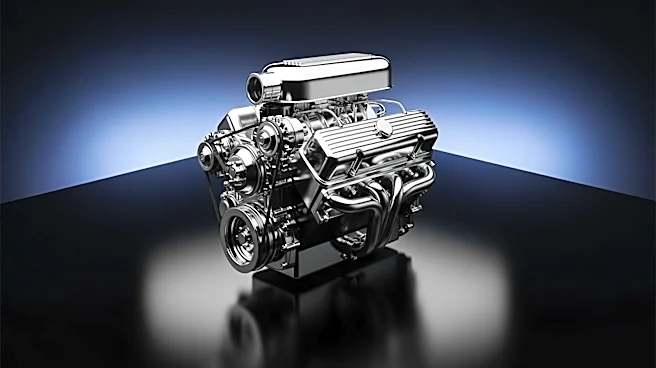
in 1967, the same year as its cousin, the Chevrolet Camaro. This first generation of Firebirds was primarily powered by various V8 engines from different GM divisions. Initially, the Firebird was powered by Pontiac engines until 1977, when it began incorporating engines from other GM divisions. This period marked the Firebird's entry into the competitive muscle car market, where it quickly gained a reputation for performance and style.
The first generation Firebird featured a distinctive design with a long hood and short deck, a characteristic look for muscle cars of the era. It was available in both coupe and convertible forms, offering consumers a choice in style and performance. The Firebird's introduction coincided with the release of other iconic muscle cars, such as the Ford Mustang and Mercury Cougar, setting the stage for a new era in American automotive history.
Second Generation: A New Design and Expanded Options
The second generation of the Firebird debuted in 1970, although production was delayed until February of that year due to tooling and engineering challenges. This generation was only available as a coupe, as convertibles were not reintroduced until 1989. The design of the Firebird evolved significantly, with smoother body lines replacing the previous generation's "Coke bottle" curves.
This generation also saw the introduction of new models, such as the Firebird Esprit and Firebird Formula, which offered different levels of luxury and performance. The Trans Am model became particularly popular, known for its performance-oriented features and distinctive styling. The second generation Firebird continued to build on the success of its predecessor, solidifying its place in the muscle car market.
Third and Fourth Generations: Modernization and Innovation
The third generation Firebird, introduced in 1982, brought significant changes, including the first use of factory fuel injection and the introduction of four-cylinder engines. This generation also featured a more aerodynamic design, with a sloped windshield and flush-mounted side glass. The Firebird continued to evolve, incorporating new technologies and design elements to stay competitive in the changing automotive landscape.
The fourth and final generation of the Firebird, produced from 1993 to 2002, featured the powerful LS1 V8 engine, known for its performance and efficiency. This generation continued to refine the Firebird's design and performance, maintaining its status as a beloved muscle car. Despite its eventual discontinuation, the Pontiac Firebird remains an iconic symbol of American automotive history, celebrated for its innovation and enduring appeal.