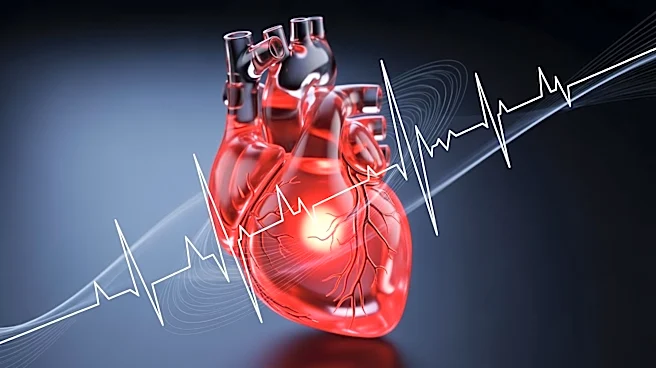







Heart rate regulation is a complex process involving various physiological mechanisms that ensure the heart beats at a rate appropriate for the body's needs. The heart's ability to adjust its rate is crucial for maintaining homeostasis, allowing it to respond to changes in physical activity, stress, and environmental conditions. This article delves into the physiological factors that influence heart rate, including the role of the autonomic nervous
system and the heart's intrinsic pacemaker cells.
The Role of the Autonomic Nervous System
The autonomic nervous system (ANS) is a key player in heart rate regulation, consisting of the sympathetic and parasympathetic branches. The sympathetic nervous system increases heart rate by releasing norepinephrine, which binds to beta-1 adrenergic receptors on the heart, leading to increased cardiac output. This response is part of the body's "fight or flight" mechanism, preparing it for physical exertion or stress.
Conversely, the parasympathetic nervous system decreases heart rate through the release of acetylcholine, which acts on muscarinic receptors to slow down the heart's pacemaker activity. This system predominates during rest and relaxation, promoting a lower heart rate and conserving energy. The balance between these two systems allows the heart to adjust its rate according to the body's demands.
Intrinsic Pacemaker Cells and Heart Rate
The heart contains specialized pacemaker cells located in the sinoatrial (SA) node, which is responsible for initiating the heartbeat. These cells possess autorhythmicity, meaning they can generate action potentials spontaneously without external stimuli. The SA node sets the pace for the heart, with its rate influenced by autonomic inputs and other factors.
The heart's conduction system ensures that the electrical impulses generated by the SA node are transmitted efficiently throughout the heart muscle, leading to coordinated contractions. The atrioventricular (AV) node, bundle of His, and Purkinje fibers play crucial roles in this conduction process, ensuring that the heart beats in a synchronized manner.
Factors Affecting Heart Rate Regulation
Several factors can impact heart rate regulation, including hormonal influences, electrolyte levels, and body temperature. Hormones such as epinephrine and thyroid hormones can increase heart rate by enhancing sympathetic activity. Electrolytes like calcium, potassium, and sodium are vital for maintaining the electrical activity of the heart, with imbalances potentially leading to arrhythmias.
Body temperature also affects heart rate, with higher temperatures generally leading to increased rates as the body works to dissipate heat. Conversely, lower temperatures can slow down heart rate as metabolic processes decrease. Understanding these physiological mechanisms provides valuable insights into how the heart adapts to various conditions, ensuring it meets the body's needs effectively.