



Fruits are a fascinating part of the plant world, serving as the mature ovary of a plant and playing a crucial role in seed dispersal. They come in various forms and structures, each with unique characteristics. This article delves into the anatomy of fruits, exploring their internal makeup and the different categories they fall into based on their anatomical features.
The Internal Structure of Fruits
Fruits are primarily the mature ovary or ovaries of one or more flowers. The internal
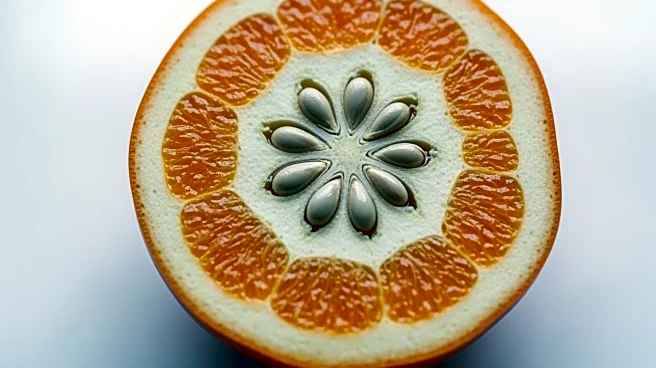
structure of fruits is complex, with different layers and components that contribute to their development and function. The pericarp, which is the part of the fruit formed from the ovary wall, is typically divided into three layers: the epicarp, mesocarp, and endocarp. These layers vary in thickness and texture, influencing the fruit's overall characteristics.
In fleshy fruits, the pericarp becomes the edible portion, with the mesocarp often being the most substantial part. For example, in a peach, the mesocarp is the juicy, fleshy part that we eat. In contrast, dry fruits have a pericarp that is hard and not typically consumed. The structure of the pericarp plays a significant role in how the fruit develops and how it is classified.
Categories of Fruits Based on Anatomy
Fruits are classified into three main anatomical categories: aggregate fruits, multiple fruits, and simple fruits. Aggregate fruits, like raspberries and blackberries, form from a single compound flower with multiple ovaries. Each ovary develops into a small fruitlet, and together they form the aggregate fruit.
Multiple fruits, such as figs and pineapples, develop from the ovaries of multiple flowers. These flowers grow closely together, and as they mature, their ovaries fuse to form a single fruit. This fusion results in a fruit that is a combination of many smaller fruits.
Simple fruits, on the other hand, develop from a single ovary and can be either fleshy or dry. Fleshy simple fruits include berries, pomes, and drupes, while dry simple fruits include nuts and grains. The classification of fruits into these categories helps in understanding their development and the role they play in the plant's life cycle.
The Role of Fruits in Seed Dispersal
Fruits play a vital role in the dispersal of seeds, which is essential for the propagation of plant species. Fleshy fruits often rely on animals to eat them and disperse the seeds through their droppings. This method, known as endozoochory, is a common strategy for many plants.
Dry fruits, however, may rely on different mechanisms for seed dispersal. Some dry fruits, like those of the milkweed, use wind to carry their seeds away from the parent plant. Others, like the sweet pea, have pods that burst open to release seeds, a process known as dehiscence. These various methods of seed dispersal highlight the diversity and adaptability of fruits in the plant kingdom.