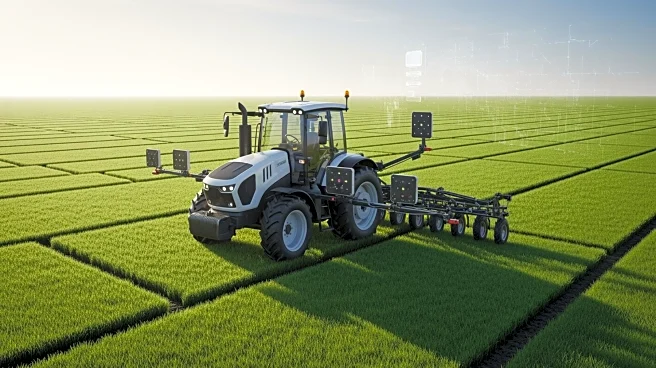

Precision agriculture is a farming approach that aims to optimize resource use and maximize crop yields. Driverless tractors are a key component of this strategy, offering advanced capabilities that enhance
efficiency and sustainability. By integrating cutting-edge technologies, these autonomous vehicles are revolutionizing the agricultural landscape.
Enhancing Efficiency with GPS Technology
Driverless tractors are equipped with GPS devices and on-board computers, allowing them to navigate fields with precision. This technology enables farmers to manage their resources more effectively, reducing waste and improving productivity. By following pre-programmed routes, driverless tractors ensure that every inch of the field is utilized optimally.
The use of GPS technology in driverless tractors also facilitates accurate planting, fertilizing, and harvesting. Farmers can program these vehicles to perform specific tasks at designated times, ensuring that crops receive the necessary care throughout their growth cycle. This level of precision minimizes the need for manual intervention, freeing up farmers to focus on other aspects of their operations.
Reducing Environmental Impact
One of the key benefits of driverless tractors in precision agriculture is their ability to reduce environmental impact. By optimizing resource use, these vehicles help minimize the application of fertilizers and pesticides, which can harm the environment. Driverless tractors can be programmed to apply these substances only where needed, reducing runoff and preserving soil health.
Additionally, driverless tractors contribute to lower fuel consumption, as they operate more efficiently than traditional tractors. This reduction in fuel use not only saves costs but also decreases greenhouse gas emissions, making farming practices more sustainable. As environmental concerns continue to grow, driverless tractors offer a viable solution for eco-friendly agriculture.
Future Prospects in Precision Agriculture
The integration of driverless tractors into precision agriculture is expected to expand as technology advances. With ongoing research and development, these vehicles are becoming more sophisticated, offering enhanced capabilities for resource management. As farmers increasingly adopt precision agriculture practices, driverless tractors will play a crucial role in meeting the demands of modern farming.
Looking ahead, driverless tractors are poised to address challenges such as labor shortages and rising production costs. By automating routine tasks, these vehicles allow farmers to focus on strategic decision-making, ultimately improving the overall efficiency of their operations. The role of driverless tractors in precision agriculture underscores the importance of innovation in shaping the future of farming.