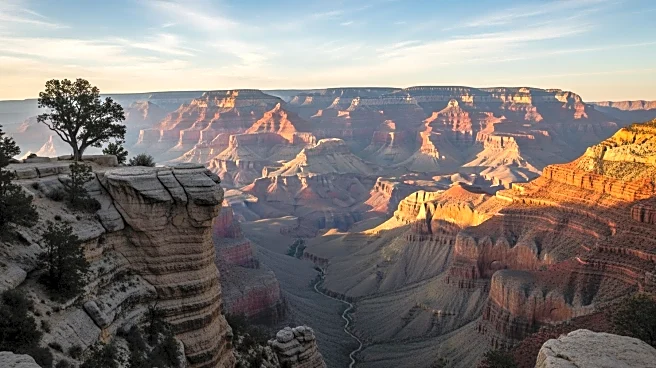

Grand Canyon National Park, a marvel of natural beauty, has a rich history that dates back to its establishment as a national park in 1919. This iconic site, located in northwestern Arizona, is renowned
for its breathtaking views and geological significance. Over the years, it has become a symbol of conservation and natural wonder, drawing millions of visitors annually. This article delves into the historical journey of Grand Canyon National Park, highlighting key milestones and developments that have shaped its legacy.
Early Recognition and Preservation Efforts
The Grand Canyon's journey to becoming a national park began in the late 19th century. It was first introduced as a potential national park by Senator Benjamin Harrison in 1882. Despite several attempts, the proposal faced numerous setbacks. However, the canyon's significance was not lost on influential figures like President Theodore Roosevelt, who visited the site in 1903. Roosevelt was captivated by its grandeur and advocated for its preservation, famously stating that the canyon should remain untouched for future generations.
In 1908, Roosevelt took a significant step by designating the Grand Canyon as a national monument. This move marked the beginning of formal preservation efforts, although it would take another decade for the canyon to achieve national park status. The Grand Canyon National Park Act was finally signed into law by President Woodrow Wilson on February 26, 1919, officially establishing it as a national park.
Expansion and World Heritage Status
Following its designation as a national park, the Grand Canyon underwent several expansions to protect its unique landscapes. In 1975, the park's boundaries were extended to include Marble Canyon and parts of the Grand Canyon National Monument. This expansion was crucial in preserving the diverse ecosystems and geological formations within the park.
In 1979, the Grand Canyon was recognized as a UNESCO World Heritage Site, further cementing its status as a global treasure. This designation highlighted the park's outstanding universal value, emphasizing its geological significance and the need for continued conservation efforts. The World Heritage status also brought international attention to the park, attracting visitors from around the world.
Centennial Celebrations and Modern Challenges
In 2019, Grand Canyon National Park celebrated its centennial anniversary, marking 100 years since its establishment. The centennial celebrations were a testament to the park's enduring legacy and its role in the conservation movement. Events and activities were organized to commemorate this milestone, highlighting the park's history and its importance to the American public.
Despite its rich history, the park faces modern challenges, including environmental threats and the impact of tourism. Efforts to balance conservation with visitor access continue to be a priority for park management. The park's administration, under the National Park Service, remains committed to preserving the Grand Canyon's natural beauty for future generations.
The historical journey of Grand Canyon National Park is a testament to the enduring value of natural preservation. From its early recognition to its status as a World Heritage Site, the park's history reflects the importance of protecting our natural wonders for generations to come.