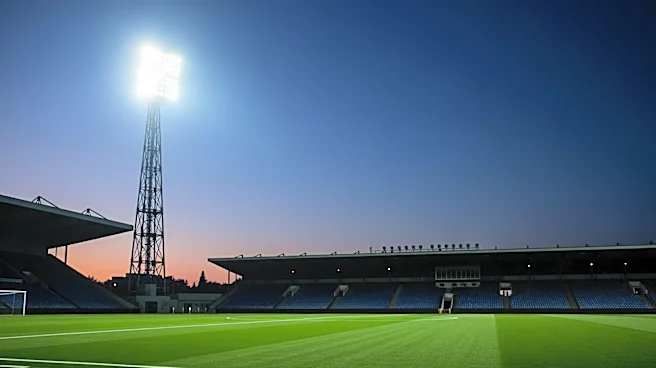

Estadio Azteca, located in Mexico City, is a stadium with a rich history in the world of football. Known for its massive capacity and iconic status, it has played a significant role in the history of the FIFA
World Cup. This article delves into the stadium's unique position as a host of multiple World Cup finals and its continued relevance in the football world.
A Venue of Firsts
Estadio Azteca holds the distinction of being the first stadium to host two FIFA World Cup finals. The first of these was in 1970, when Brazil defeated Italy 4-1 to claim their third World Cup title. This victory allowed Brazil to permanently keep the Jules Rimet Trophy, a testament to their dominance in the tournament. The stadium's capacity and atmosphere made it an ideal location for such a historic event.
Sixteen years later, in 1986, Estadio Azteca once again hosted the World Cup final. This time, Argentina emerged victorious over West Germany with a 3-2 win. The 1986 tournament is also remembered for Diego Maradona's legendary performances, including the infamous "Hand of God" goal and the "Goal of the Century" against England, both of which took place at this iconic venue.
The Game of the Century
One of the most memorable matches in World Cup history occurred at Estadio Azteca during the 1970 tournament. The semifinal between Italy and West Germany is often referred to as the "Game of the Century." Italy triumphed 4-3 in a thrilling match that went into extra time, captivating fans worldwide. This match further cemented the stadium's reputation as a venue where football history is made.
The stadium's ability to host such high-stakes matches is a testament to its design and the passion of the fans who fill its stands. The "Game of the Century" is commemorated with a plaque at the stadium, serving as a reminder of the unforgettable moments that have unfolded on its pitch.
Looking Ahead to 2026
Estadio Azteca is set to make history once again as it prepares to host matches during the 2026 FIFA World Cup. This tournament will be unique, as it will be jointly hosted by the United States, Mexico, and Canada. Estadio Azteca will become the only stadium to have hosted World Cup matches in three different tournaments.
The 2026 World Cup will see the stadium host the opening match, among others, showcasing its continued importance in the world of football. As the stadium undergoes renovations to prepare for this event, it remains a symbol of Mexico's rich football heritage and its ongoing contribution to the global game.