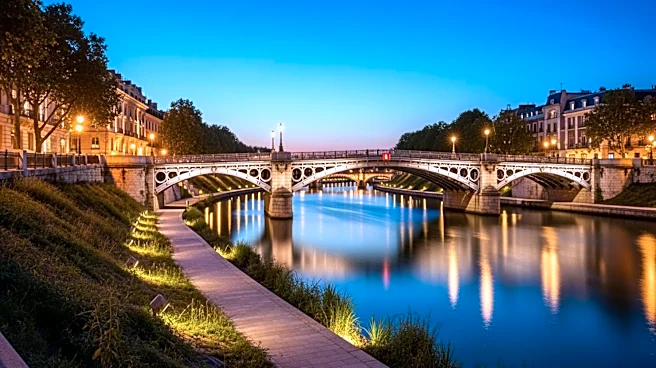







The San Antonio River Walk is not only a popular tourist destination but also an architectural marvel that showcases a variety of design elements and styles. Its unique layout and integration with the city's infrastructure make it a fascinating study in urban planning and architecture. This article delves into the architectural significance of the River Walk, highlighting its design features and contributions to the city's landscape.
Innovative Design and Planning
The San Antonio
River Walk's design is a testament to innovative urban planning. Architect Robert Hugman's vision for the River Walk included a flood gate, a small dam, and a Tainter gate to regulate the river's flow, surrounded by commercial development. His plan was initially met with skepticism due to safety concerns, but it eventually gained support and led to the creation of a network of walkways, bridges, and plantings.
Hugman's persistence and architectural expertise were instrumental in transforming the River Walk into a functional and aesthetically pleasing space. The design incorporates two parallel sidewalks that wind and loop under bridges, connecting major tourist attractions and providing a seamless pedestrian experience.
Architectural Styles and Influences
The River Walk is home to a diverse array of architectural styles, reflecting the city's rich history and cultural influences. Prominent architects such as Atlee Ayres, Alfred Giles, and James Riely Gordon contributed to the design of the area, showcasing a wide variety of architectural movements.
The commercial buildings along the River Walk feature styles ranging from Spanish colonial to modernist, creating a visually captivating environment. The integration of natural elements, such as bald cypress trees and indigenous landscaping, further enhances the River Walk's architectural appeal.
Impact on Urban Development
The architectural success of the San Antonio River Walk has had a lasting impact on urban development in the city. Its model of integrating natural beauty with commercial and cultural spaces has inspired similar projects in other cities, demonstrating the potential for harmonious urban design.
The River Walk's ongoing improvements, including expansions to the Museum Reach and Mission Reach, highlight the importance of sustainable development and ecological controls. These efforts ensure that the River Walk remains a vibrant and attractive destination for both residents and visitors.
In summary, the San Antonio River Walk is an architectural gem that combines innovative design with diverse styles and influences. Its success serves as a model for urban development, showcasing the potential for creating beautiful and functional public spaces.