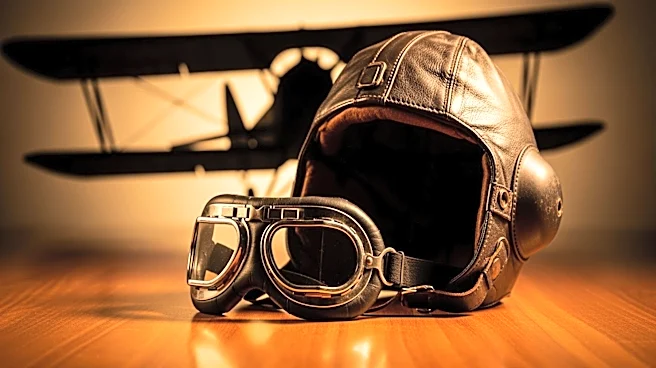




The history of transatlantic flights is marked by a series of groundbreaking achievements that paved the way for modern aviation. This era began in the early 20th century, with daring aviators and innovative aircraft designs that challenged the vast expanse of the Atlantic Ocean. These early flights were not only feats of engineering but also symbols of human determination and progress.
The First Transatlantic Crossings
In 1919, the American NC-4 became the first airplane to cross
the Atlantic Ocean, albeit in multiple stages. This achievement marked a significant milestone in aviation history, demonstrating the potential for aircraft to traverse vast distances over open water. The NC-4's journey was a complex operation that involved careful planning and coordination, highlighting the challenges faced by early aviators.
Later that same year, British aviators John Alcock and Arthur Brown made history with the first non-stop transatlantic flight. Piloting a modified Vickers Vimy bomber, they flew from Newfoundland to Ireland, overcoming harsh weather conditions and technical difficulties. Their successful flight captured the world's imagination and earned them the prestigious Daily Mail prize, solidifying their place in aviation history.
The Role of Airships in Transatlantic Travel
While airplanes were making headlines, airships also played a crucial role in early transatlantic travel. In 1919, the British airship R34 completed the first double crossing of the Atlantic, flying from Scotland to Long Island and back. This journey demonstrated the potential of airships for long-distance travel, offering a glimpse into a future where airships might dominate the skies.
The R34's journey was a remarkable achievement, covering approximately 3,000 statute miles in about four and a half days. The airship carried a crew and passengers, including a stowaway and a cat, showcasing the versatility and capacity of airships for passenger travel. Despite the eventual decline of airships, their contributions to early transatlantic aviation were significant.
The Impact of Charles Lindbergh's Solo Flight
The transatlantic flight era reached a new pinnacle in 1927 when Charles Lindbergh completed the first solo non-stop transatlantic flight. Flying the Spirit of St. Louis, Lindbergh traveled from New York City to Paris, capturing the world's attention and earning international acclaim. His flight demonstrated the potential for solo long-distance flights and inspired a new generation of aviators.
Lindbergh's achievement was not only a personal triumph but also a catalyst for the growth of commercial aviation. His success spurred interest in transatlantic travel, leading to advancements in aircraft technology and the establishment of regular passenger services across the Atlantic. The pioneering era of transatlantic flights laid the foundation for the global aviation industry we know today.