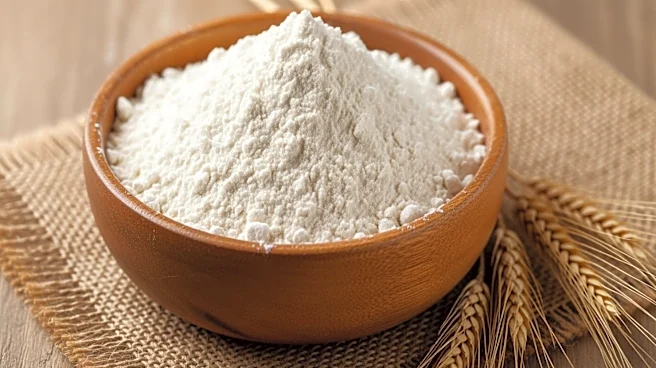




Flour is more than just a kitchen staple; it is a cultural cornerstone that has shaped cuisines and traditions across the globe. From the flatbreads of the Middle East to the pasta of Italy, flour is a versatile ingredient that reflects the diversity of human culinary practices. This article explores the cultural significance of flour, highlighting its role in various regional cuisines and its impact on food traditions worldwide.
Flour in European Cuisine
In Europe, flour has
been a fundamental ingredient in the creation of bread, a staple food for centuries. Rye flour, for instance, is a key component in the traditional sourdough breads of Germany, Austria, and Scandinavia. These breads are often made with a mix of rye and wheat flours, as rye alone does not produce sufficient gluten for a good rise.
In Italy, flour is synonymous with pasta. Durum wheat flour, known for its high gluten content, is used to make a variety of pasta shapes that are central to Italian cuisine. The country's culinary landscape is also enriched by the use of semolina, a coarse flour used in making couscous and certain types of bread. These regional specialties highlight the integral role of flour in European food culture.
Flour in Asian and African Cuisines
In Asia, flour is a key ingredient in many traditional dishes. In India, atta flour is used to make flatbreads like roti and chapati, while maida flour is used for pastries and breads. The versatility of flour is also evident in Chinese cuisine, where tang flour is used to make dumplings and buns.
African cuisines also rely heavily on flour, particularly cassava flour, which is used as a gluten-free alternative to wheat flour. Cassava flour is a staple in many African countries, where it is used to make traditional dishes like fufu and garri. These dishes are not only important for their nutritional value but also for their cultural significance, often being served at communal gatherings and celebrations.
Flour in the Americas
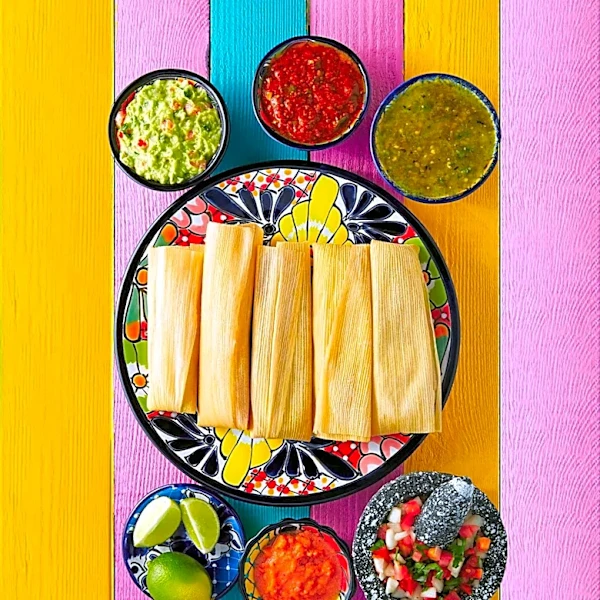
In the Americas, corn flour has been a staple since ancient times, particularly in Mesoamerican cuisine. It is used to make tortillas, tamales, and other traditional dishes that are central to the culinary identity of the region. The use of corn flour reflects the agricultural practices and dietary preferences of indigenous peoples, which have been passed down through generations.
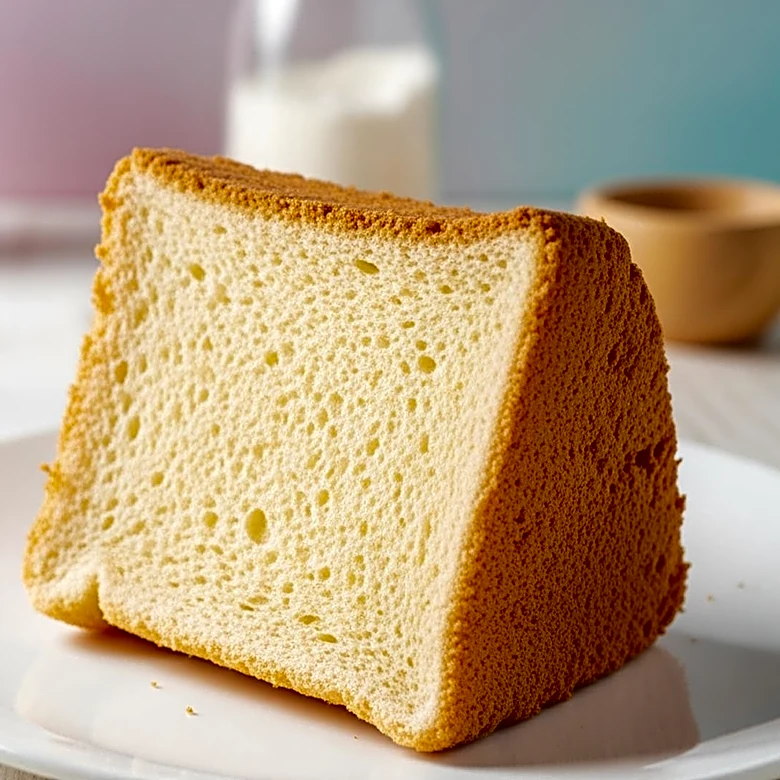
In the United States, wheat flour is a key ingredient in a wide range of baked goods, from bread to cakes and cookies. The diversity of flour types available, such as all-purpose, cake, and bread flour, allows for a variety of textures and flavors in American baking. This adaptability underscores flour's role in shaping the culinary landscape of the nation.
Flour's cultural impact is vast and varied, reflecting the unique traditions and tastes of different regions. Its ability to adapt to local ingredients and culinary practices has made it a universal ingredient, integral to the food culture of societies around the world.