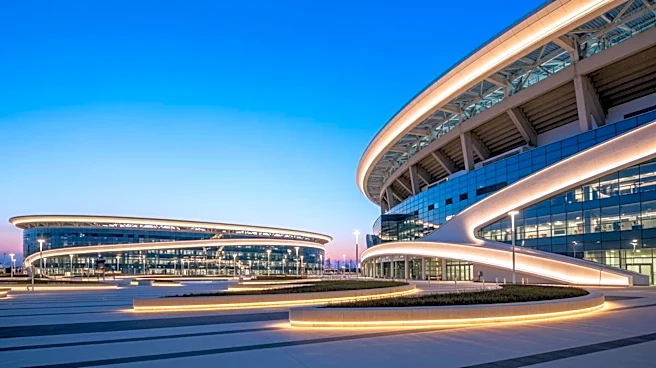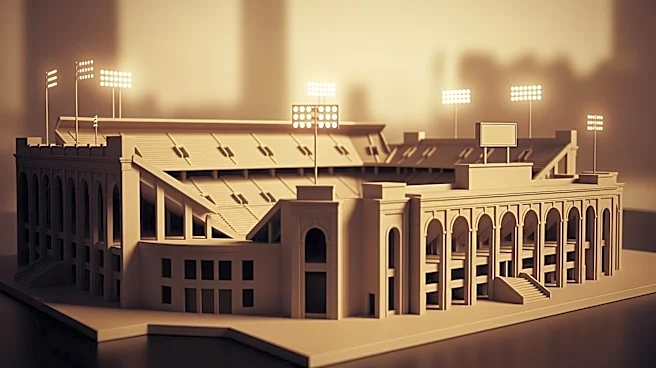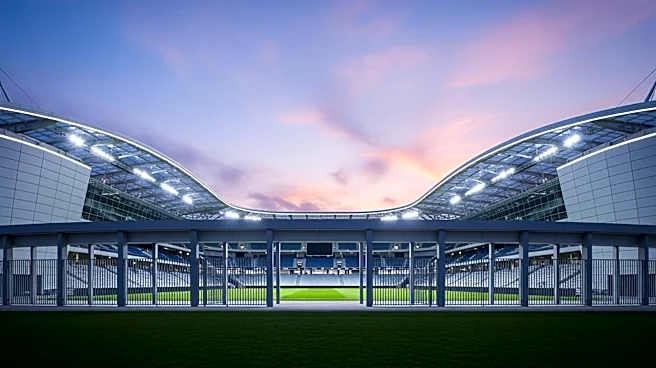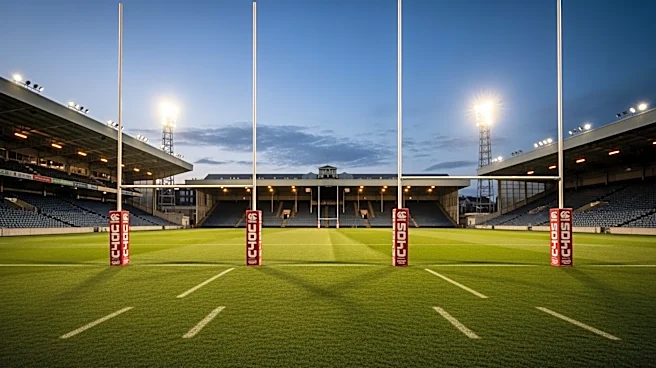


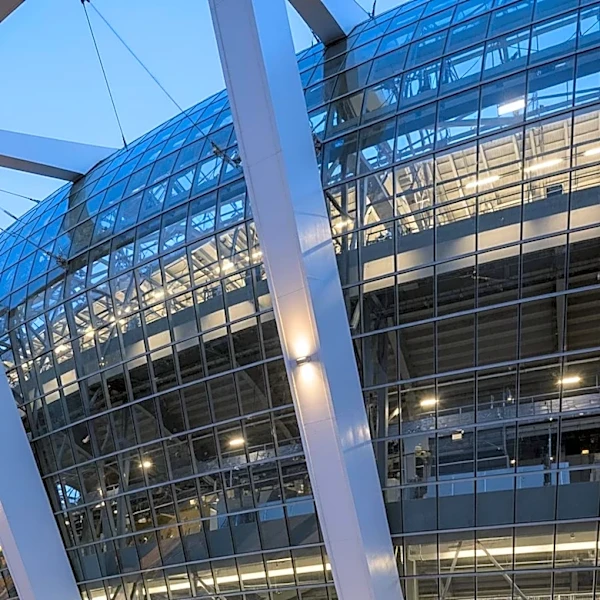




Stade Chaban-Delmas in Bordeaux, France, has a rich history that reflects its evolution from a football stadium to a prominent rugby venue. This transformation highlights the stadium's adaptability and its enduring significance in the world of sports. This article explores the key milestones in the stadium's history and its transition from hosting football to rugby matches.
Early Years and Football Legacy
Originally known as Stade du Parc Lescure, the stadium was built in 1924 as a cycle-racing
track. It was reconfigured in 1935 to accommodate the 1938 FIFA World Cup, marking its entry into the world of football. The stadium became the home ground for FC Girondins de Bordeaux, a relationship that lasted until 2015.
During its time as a football venue, Stade Chaban-Delmas witnessed numerous memorable matches, including those of the 1998 FIFA World Cup. The stadium's capacity was expanded to 34,462 seats to accommodate the event, solidifying its status as a major football venue in France.
Transition to Rugby
In 2011, Stade Chaban-Delmas began hosting matches for the Union Bordeaux Bègles rugby team, marking the start of its transition to a rugby venue. The move was solidified in 2015 when FC Girondins de Bordeaux relocated to a new stadium, making Union Bordeaux Bègles the primary tenant.
The transition was driven by the growing popularity of rugby in the region and the need for a larger venue to accommodate the increasing number of spectators. The stadium's design, with its unobstructed views and ample seating, made it an ideal choice for rugby matches.
A New Era in Rugby
Since becoming a rugby venue, Stade Chaban-Delmas has hosted numerous significant matches, including those of the Top 14 rugby competition. The stadium's average attendance has grown significantly, reflecting its popularity among rugby fans.
The stadium's role in hosting major rugby events, such as the 2007 Rugby World Cup, has further cemented its reputation as a premier rugby venue. Its ability to adapt to the changing demands of sports has ensured its continued relevance in the world of athletics.
Stade Chaban-Delmas's evolution from a football to a rugby venue showcases its versatility and enduring appeal. Its rich history and ability to adapt to new sporting trends make it a significant landmark in Bordeaux's sports landscape.