
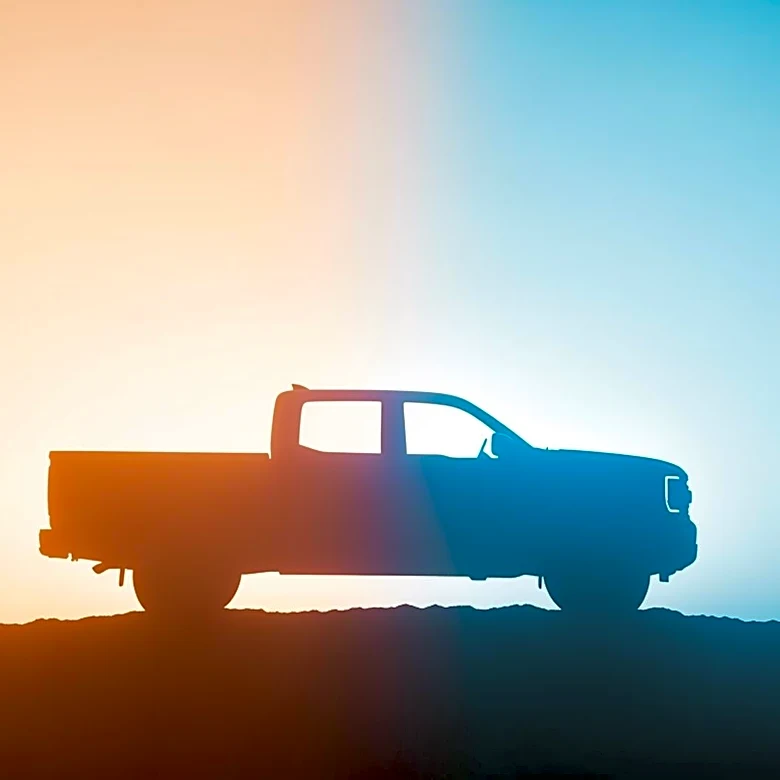

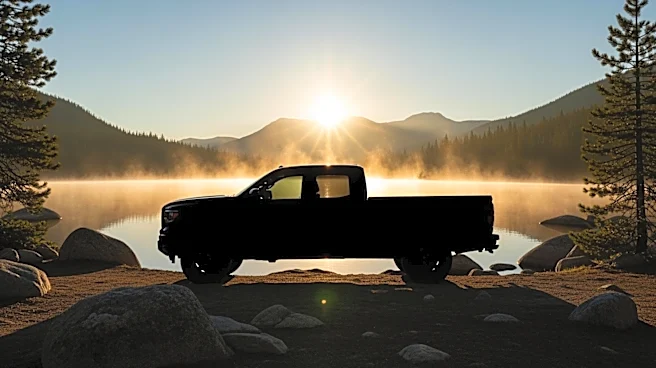
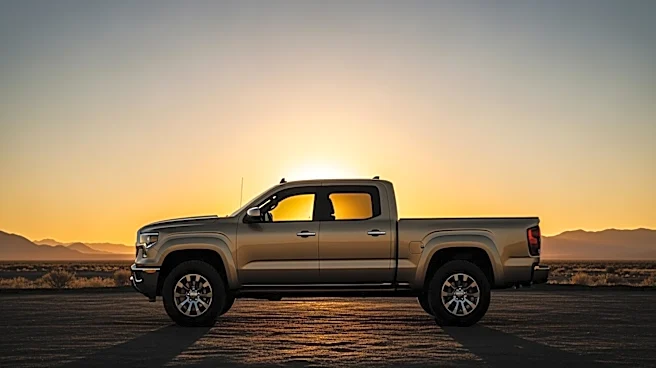
The Toyota Tacoma has been a staple in the midsize pickup truck market since its introduction in 1995. Known for its reliability and versatility, the Tacoma has undergone significant changes over the years to meet the evolving needs of its consumers. This article delves into the development of the Tacoma across its generations, highlighting the key features and improvements that have kept it at the forefront of the pickup truck segment.
First Generation: Setting the Foundation
The first generation
of the Toyota Tacoma was introduced in 1995, replacing the Toyota Hilux in the North American market. This initial model was designed with a focus on ride quality, handling, comfort, and safety, marking a shift from the rugged, utilitarian nature of its predecessor. The Tacoma was available in two-door and four-door configurations, catering to a variety of consumer needs.
Under the hood, the first-generation Tacoma offered a range of gasoline engines, including a 2.4-liter R4, a 2.7-liter R4, and a 3.4-liter V6. These engines were paired with either a manual or automatic transmission, providing options for different driving preferences. The introduction of the Tacoma was a strategic move by Toyota to better align with the preferences of North American consumers, who often used pickup trucks as personal vehicles rather than for commercial purposes.
Second Generation: Enhancements and Expansion
In 2005, Toyota launched the second generation of the Tacoma, building on the success of the original model. This generation saw significant enhancements in terms of power and capability. The engine lineup was updated to include a 2.7-liter R4 and a more powerful 4.0-liter V6, offering improved performance and towing capacity.
The second-generation Tacoma also introduced new features aimed at enhancing the driving experience. These included a more refined interior with improved materials and a larger touchscreen display. The addition of the TRD Off-Road package provided enthusiasts with a more rugged option, featuring a locking rear differential and enhanced suspension for better off-road performance.
Third Generation: Modernization and Innovation
The third generation of the Tacoma, introduced in 2015, brought further modernization and innovation to the lineup. This generation focused on incorporating advanced technology and improving fuel efficiency. The Tacoma's design was updated with a more aggressive and aerodynamic look, appealing to a broader audience.
Technological advancements in the third generation included the introduction of a more sophisticated infotainment system and advanced safety features. The Tacoma continued to offer a range of engine options, maintaining its reputation for reliability and performance. With these updates, the Tacoma solidified its position as a leader in the midsize pickup truck market, continuing to attract a loyal customer base.
The evolution of the Toyota Tacoma reflects Toyota's commitment to meeting the changing demands of its consumers. By continuously improving its design, performance, and features, the Tacoma remains a popular choice for those seeking a dependable and versatile pickup truck.