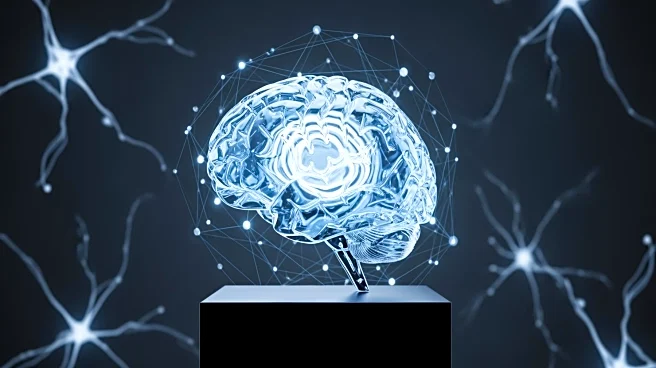




Neuroethics is a relatively new field that examines the ethical implications of neuroscience and neurotechnology. Emerging in the early 2000s, it has quickly become a significant area of study, addressing the complex intersection of neuroscience with ethical, legal, and social issues. This article explores the historical development of neuroethics, highlighting key milestones and the evolution of the field.
The Birth of Neuroethics
The term "neuroethics" first gained prominence
in the early 21st century, although its roots can be traced back to earlier discussions among ethicists and philosophers. The field officially emerged as a distinct discipline in the early 2000s, driven by rapid advancements in neuroscience and the growing need to address the ethical challenges these advancements posed. The establishment of the International Neuroethics Society in 2006 marked a significant milestone, providing a platform for scholars, scientists, and clinicians to collaborate on the ethical, legal, and policy implications of neuroscience.
The early 2000s also saw a surge in interest and activity in neuroethics, with numerous meetings, publications, and organizations dedicated to the topic. Notable events included the American Association for the Advancement of Science's collaboration with the journal Neuron and the Dana Foundation's conference, which resulted in the publication of "Neuroethics: Mapping the Field." These efforts helped to solidify neuroethics as a critical area of study and fostered interdisciplinary collaboration.
Key Figures and Contributions
Several key figures have played pivotal roles in the development of neuroethics. Judy Illes, a prominent neuroscientist, has been instrumental in advancing the field through her research and leadership. As the current president of the International Neuroethics Society, Illes has contributed significantly to the discourse on the ethical, legal, and social challenges at the intersection of neuroscience and biomedical ethics.
Other notable contributors include Steven Hyman, the first president of the International Neuroethics Society, and Barbara Sahakian, who succeeded him. These pioneers have helped shape the field by promoting interdisciplinary research and fostering international collaboration. Their efforts have been crucial in addressing the complex ethical issues arising from advancements in neuroscience and neurotechnology.
The Future of Neuroethics
As neuroscience continues to advance, the field of neuroethics will undoubtedly evolve to address new challenges and opportunities. The establishment of neuroethics centers and programs worldwide reflects the growing recognition of the field's importance. These centers, such as the Neuroethics Research Unit at the Institut de recherches cliniques de Montreal and the National Core for Neuroethics at the University of British Columbia, are at the forefront of research and education in neuroethics.
Looking ahead, neuroethics will play a critical role in guiding the responsible development and application of neuroscience and neurotechnology. By addressing the ethical, legal, and social implications of these advancements, neuroethics will help ensure that the benefits of neuroscience are realized while minimizing potential harms. As the field continues to grow, it will remain an essential area of study for scholars, scientists, and policymakers alike.