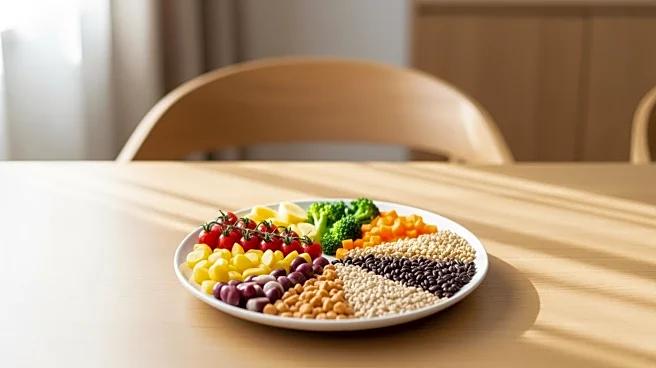

MyPlate, introduced by the United States Department of Agriculture (USDA) in 2011, represents a modern approach to nutrition education. Designed to be simple and intuitive, MyPlate aims to guide Americans
in making healthier food choices. By focusing on a balanced diet, MyPlate has become a key component in efforts to improve public health and reduce obesity rates.
The Design and Purpose of MyPlate
MyPlate is a visual representation of a balanced meal, divided into four sections: fruits, vegetables, grains, and protein, with a side circle for dairy. This design is intended to be straightforward, making it easier for individuals to understand and apply in their daily lives. The USDA's goal with MyPlate was to provide a clear and accessible guide that could be used by people of all ages.
The emphasis on fruits and vegetables is a central aspect of MyPlate, reflecting the USDA's recommendations to make half of one's plate consist of these food groups. This focus is based on the health benefits associated with consuming a variety of fruits and vegetables, which are rich in essential vitamins and minerals. By promoting these food groups, MyPlate encourages Americans to adopt healthier eating habits.
Educational Impact and Implementation
Since its introduction, MyPlate has been widely used in nutrition education programs across the United States. It is displayed on food packaging and incorporated into school curricula, helping to teach children and adults about the importance of a balanced diet. The simplicity of MyPlate makes it an effective tool for educators, allowing them to convey complex nutritional concepts in an easy-to-understand format.
MyPlate's impact extends beyond education, influencing public health initiatives aimed at reducing obesity and improving overall health. By providing clear guidelines on portion sizes and food group proportions, MyPlate helps individuals make informed choices about their meals. This approach aligns with broader efforts to address national health concerns and promote healthier lifestyles.
Challenges and Criticisms
Despite its success, MyPlate has faced some criticisms. Critics argue that the guide oversimplifies dietary advice and lacks detailed recommendations for portion sizes and snack options. Additionally, some have questioned the necessity of the dairy section, given that many Americans already consume sufficient protein from other sources.
Nevertheless, MyPlate remains a valuable tool in nutrition education, offering a practical framework for healthy eating. As the USDA continues to refine its guidelines, MyPlate serves as a reminder of the importance of accessible and effective nutrition education in promoting public health.