


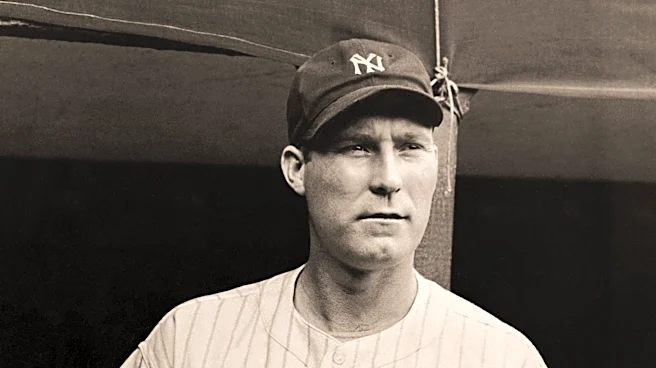

Bob Groom was a notable figure in the world of Major League Baseball, playing as a pitcher from 1909 to 1918. His career was marked by both remarkable achievements and significant challenges, making him a memorable player in the history of the sport. This article delves into the various phases of Groom's career, examining his time with different teams and his notable performances.
Early Years and Major League Debut
Bob Groom began his professional baseball career in the minor leagues,
playing in two midwest leagues and the Pacific Coast League from 1904 to 1908. His talent as a pitcher soon led him to the Major Leagues, where he made his debut with the Washington Senators on April 13, 1909. Groom's early years in the Major Leagues were a mix of highs and lows, as he struggled with consistency but also showed flashes of brilliance.
During his debut season, Groom set an unfortunate record by becoming the first pitcher to lose 19 consecutive games in a season. Despite this setback, he continued to develop his skills and eventually became a key player for the Senators. His perseverance and dedication to the sport were evident as he worked to overcome the challenges he faced early in his career.
Peak Performance with the Washington Senators
Groom's best season came in 1912 when he played for the Washington Senators. That year, he won an impressive 24 games, helping the team secure a second-place finish in the American League. This achievement marked a turning point in Groom's career, showcasing his ability to perform at a high level and contribute significantly to his team's success.
His performance in 1912 demonstrated his growth as a player and his resilience in overcoming earlier difficulties. Groom's success with the Senators solidified his reputation as a skilled pitcher, earning him recognition and respect within the baseball community.
Later Years and Legacy
After his time with the Senators, Groom continued to play for various teams, including the St. Louis Terriers, St. Louis Browns, and Cleveland Indians. One of his most memorable moments came on May 6, 1917, when he pitched a no-hitter against the Chicago White Sox while playing for the Browns. This feat was particularly notable as it followed a no-hitter by his teammate Ernie Koob, making them the only teammates to pitch no-hitters on consecutive days.
Following his retirement from Major League Baseball in 1918, Groom returned to his hometown of Belleville, Illinois, where he managed his family's coal mining operation and continued to contribute to local baseball teams. His involvement in the sport extended into the 1920s and 1930s, where he played a mentoring role in the St. Louis Trolley League and helped establish Belleville's first tournament team.
Groom's legacy in baseball was honored in 2008 when he was inducted into the Hilgard Hall of Fame, recognizing his contributions to the sport and his community. His career serves as a testament to the perseverance and dedication required to succeed in Major League Baseball, leaving a lasting impact on the game and those who followed in his footsteps.