



Puerto Rico is a Caribbean archipelago known for its diverse landscapes and rich natural resources. From its mountainous regions to its coastal plains, the island offers a variety of geographic features that contribute to its unique environmental profile.
Mountainous Terrain
The central region of Puerto Rico is dominated by the Cordillera Central, a mountain range that stretches from west to east. This range includes the island's highest peak, Cerro de Punta, which rises
to 4,390 feet. The mountains are home to lush forests and diverse wildlife, providing a habitat for many endemic species.
El Yunque National Forest, located in the Sierra de Luquillo, is one of the most popular natural attractions in Puerto Rico. It is the only tropical rainforest in the U.S. Forest Service system, offering hiking trails, waterfalls, and a rich biodiversity. The forest is home to the coquí frog, a symbol of Puerto Rican pride, and the critically endangered Puerto Rican amazon parrot.
Coastal Plains and Beaches
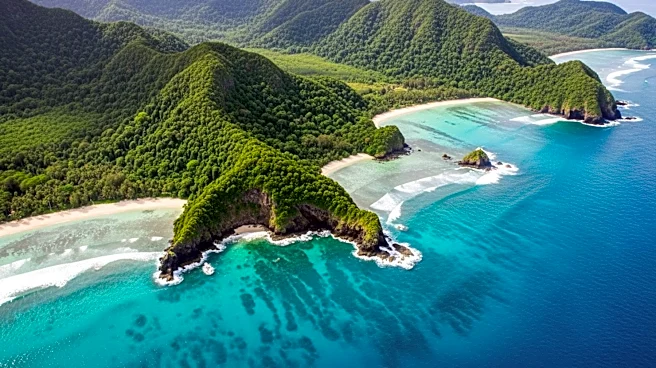
Puerto Rico's coastal areas are characterized by flat plains and beautiful beaches. The northern and southern coasts offer large flat areas that are ideal for agriculture and tourism. The island's beaches, such as those in San Juan and Vieques, attract visitors from around the world, contributing to the local economy.
The coastal regions are also home to important ecosystems, including mangroves and coral reefs. These areas provide critical habitats for marine life and help protect the island from erosion and storm surges.
Rivers and Lakes
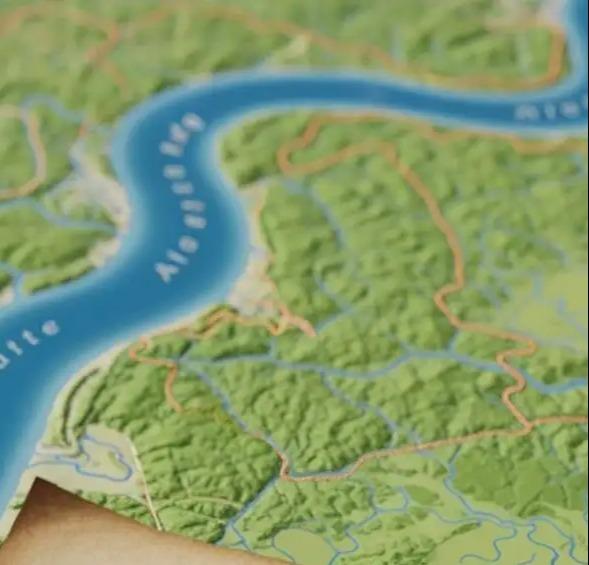
Puerto Rico has more than 50 rivers, most of which originate in the Cordillera Central. The longest river, Río de la Plata, flows through the northern region, providing water for agriculture and communities. The island also has 17 man-made lakes, which are used for water supply and recreation.
The rivers and lakes of Puerto Rico play a vital role in the island's ecology, supporting diverse plant and animal life. They also offer opportunities for outdoor activities such as fishing, kayaking, and birdwatching.
Puerto Rico's geographic and environmental features are integral to its identity and economy. The island's natural beauty and resources attract tourists and provide a foundation for sustainable development. As Puerto Rico faces environmental challenges, preserving its landscapes and ecosystems is crucial for its future.