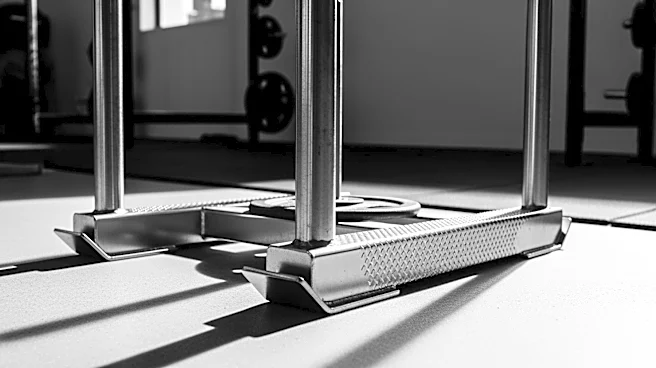








The sled push is a dynamic exercise that has gained popularity in various fitness programs, including CrossFit and high-intensity interval training (HIIT). This exercise involves pushing a weighted sled across a flat surface, engaging multiple muscle groups and offering a full-body workout. Despite its effectiveness, the sled push remains less studied compared to other exercises like sled pulling. This article delves into the mechanics, benefits,
and training applications of the sled push.
Mechanics of the Sled Push
The sled push is performed by facing the sled and pushing it forward. This can be done at various angles, such as upright, slightly bent forward, or with the body low and close to horizontal. The exercise is versatile, allowing for adjustments in posture to target different muscle groups. The primary muscles engaged during a sled push include the quadriceps, hamstrings, and core, with significant activity in the calves and less strain on the muscles near the spine. Additionally, the sled push works the chest, arms, and shoulder muscles, making it a comprehensive exercise for strength and endurance.
The effectiveness of the sled push is comparable to that of a barbell back squat, particularly in training the lower body. However, it offers the added benefit of higher calf activity and reduced stress on the spine, making it a safer alternative for individuals with back concerns. The exercise's adaptability to different angles and resistance levels makes it suitable for various fitness levels and goals.
Benefits of Incorporating Sled Pushes
Incorporating sled pushes into a fitness routine can yield numerous benefits. One of the primary advantages is its ability to improve sprint performance. Studies have shown that complex training involving sled pushing followed by sprinting can enhance sprinting capabilities. This is particularly beneficial for athletes looking to improve their speed and explosive power.
Moreover, the sled push is an excellent exercise for building cardiovascular endurance. The high-intensity nature of the exercise elevates the heart rate, providing a cardiovascular workout alongside strength training. This dual benefit makes the sled push an efficient exercise for those looking to maximize their workout time.
Training Applications and Considerations
The sled push is a versatile exercise that can be incorporated into various training programs. It is commonly used in HIIT workouts, where short bursts of intense exercise are alternated with brief recovery periods. This method of training is effective for improving athletic capacity and conditioning.
When incorporating sled pushes into a training regimen, it is essential to consider the load and velocity. The maximum velocity attainable during a sled push decreases linearly with the total load, similar to sled pulling. Therefore, it is crucial to adjust the weight to achieve the desired training intensity. This can be done by measuring the velocity attained without resistance and then adding weight to reach a target velocity that is a specific percentage less than the resistance-free velocity.
In conclusion, the sled push is a valuable exercise for those seeking a comprehensive workout that targets multiple muscle groups and improves both strength and cardiovascular endurance. Its versatility and effectiveness make it a staple in many fitness programs.