
Olympic National Park, located in Washington state, is a treasure trove of natural beauty and ecological diversity. Covering over 922,650 acres, the park is home to a variety of ecosystems, each offering
a unique glimpse into the natural world. From rugged coastlines to lush rainforests and alpine meadows, Olympic National Park provides a sanctuary for countless species of plants and animals. This article delves into the distinct ecosystems found within the park and highlights their significance.
The Rugged Pacific Coastline
One of the most striking features of Olympic National Park is its rugged Pacific coastline. Stretching for 60 miles, this coastal region is characterized by sandy beaches, rocky headlands, and tide pools teeming with marine life. The coastline is home to native communities, such as the Hoh and Quileute people, who have lived in harmony with the land for generations.
The coastal strip is a haven for wildlife enthusiasts and casual hikers alike. The Ozette Loop, a popular 9-mile trail, offers visitors a chance to explore the coastal cedar swamps and pristine beaches. The area is rich in driftwood, carried north by the Hoh River, creating a dynamic and ever-changing landscape. Despite its accessibility, the coastal terrain can be challenging, with slippery rocks and dense vegetation making travel difficult.
The Temperate Rainforests
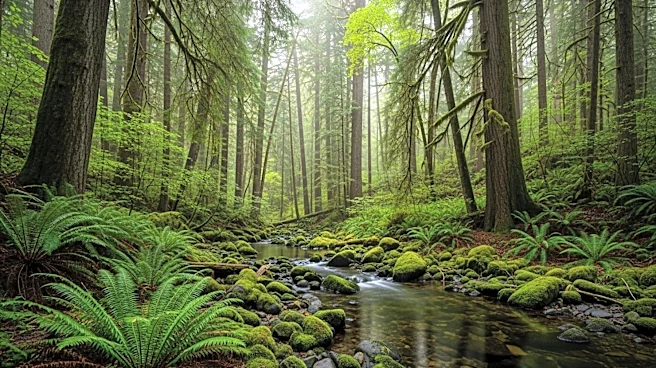
Olympic National Park is renowned for its temperate rainforests, which receive over 12 feet of rainfall annually. The Hoh and Quinault rainforests are among the wettest areas in the continental United States, supporting a lush canopy of Sitka spruce, western hemlock, and Douglas fir. These forests are draped in mosses and ferns, creating a verdant, almost otherworldly atmosphere.
The rainforests are not only visually stunning but also ecologically significant. They provide critical habitat for species like the Roosevelt elk, which rely on the dense undergrowth for food and shelter. The park's rainforests are a living laboratory for scientists studying the complex interactions between climate, vegetation, and wildlife.
Alpine Meadows and Glaciated Mountains
Rising above the rainforests are the Olympic Mountains, capped with ancient glaciers and alpine meadows. Mount Olympus, the highest peak, stands at 7,965 feet and is a focal point for glaciation in the park. The mountains are a product of tectonic activity, with a unique geological composition of basaltic and sedimentary rock.
The alpine meadows are a stark contrast to the dense forests below, offering open vistas and a diverse array of wildflowers. These high-altitude environments are home to specialized plant and animal species, adapted to the harsh conditions. The park's glaciers, though receding due to climate change, continue to shape the landscape, carving valleys and feeding rivers that sustain the ecosystems below.
Olympic National Park's diverse ecosystems are a testament to the power and beauty of nature. Each region, from the coast to the mountains, offers a unique perspective on the natural world, making the park a must-visit destination for nature lovers and adventurers alike.