




Oil spills are a significant environmental concern, affecting both marine and terrestrial ecosystems. These spills occur when liquid petroleum hydrocarbons are released into the environment, primarily due to human activities. The consequences of oil spills are far-reaching, impacting wildlife, air quality, and water resources. Understanding these effects is crucial for developing effective response strategies and minimizing future damage.
Effects on Wildlife
Oil spills
have devastating effects on wildlife, particularly birds and marine mammals. When oil penetrates the plumage of birds or the fur of mammals, it reduces their insulating ability, making them vulnerable to temperature fluctuations. This exposure can lead to hypothermia and decreased buoyancy, impairing their ability to survive in their natural habitats. Additionally, oil ingestion during preening can cause digestive tract irritation, liver dysfunction, and kidney damage, often resulting in dehydration and metabolic imbalance.
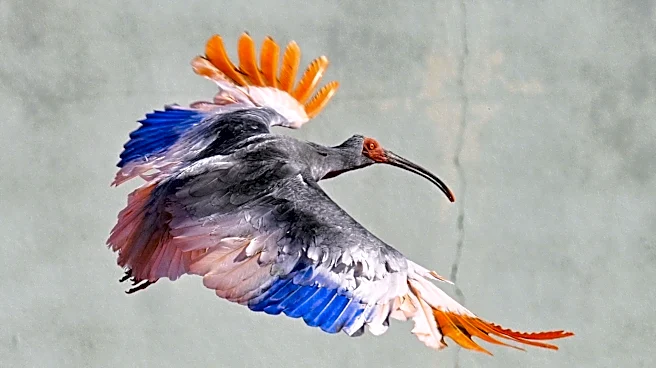
The impact on birds is particularly severe, as oil can impair their ability to fly, preventing them from foraging or escaping predators. Studies suggest that the survival rate of oil-soaked birds is alarmingly low, with less than one percent surviving even after cleaning. Marine mammals, such as sea otters and seals, face similar challenges. Oil exposure can blind these animals, leaving them defenseless, and ingestion can lead to dehydration and impaired digestion.
Air and Water Quality
Oil spills also affect air and water quality. The chemicals in crude oil, including toxic hydrocarbons like benzenes and toluene, can evaporate into the atmosphere, forming fine particulate matter. These particulates can penetrate human lungs, carrying toxic chemicals into the body. Burning surface oil during cleanup operations can further contribute to air pollution, releasing soot particles and other pollutants.
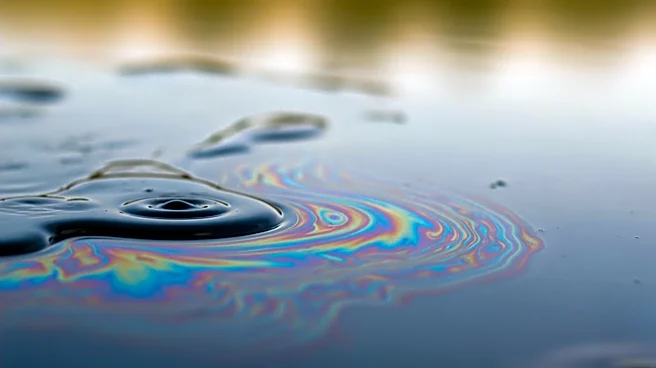
Water pollution from oil spills is equally concerning. Spilled oil can contaminate drinking water supplies, posing health risks to humans and wildlife. The contamination can lead to long-term environmental damage, affecting aquatic life and ecosystems. Cleanup efforts are often challenging and expensive, requiring specialized equipment and techniques to remove oil from affected areas.
Long-Term Environmental Consequences
The long-term environmental consequences of oil spills are profound. Ecosystems can take years to recover, with some areas experiencing permanent damage. The loss of biodiversity and disruption of food chains can have cascading effects on the environment. Oil spills also initiate intense media attention and political debates, highlighting the need for improved prevention and response strategies.
Efforts to mitigate the impact of oil spills include the use of chemical dispersants, physical barriers, and bioremediation techniques. However, these methods are not always effective, and the complexity of oil spill cleanup underscores the importance of preventing spills in the first place. By understanding the environmental impact of oil spills, we can better protect our ecosystems and ensure a healthier planet for future generations.