

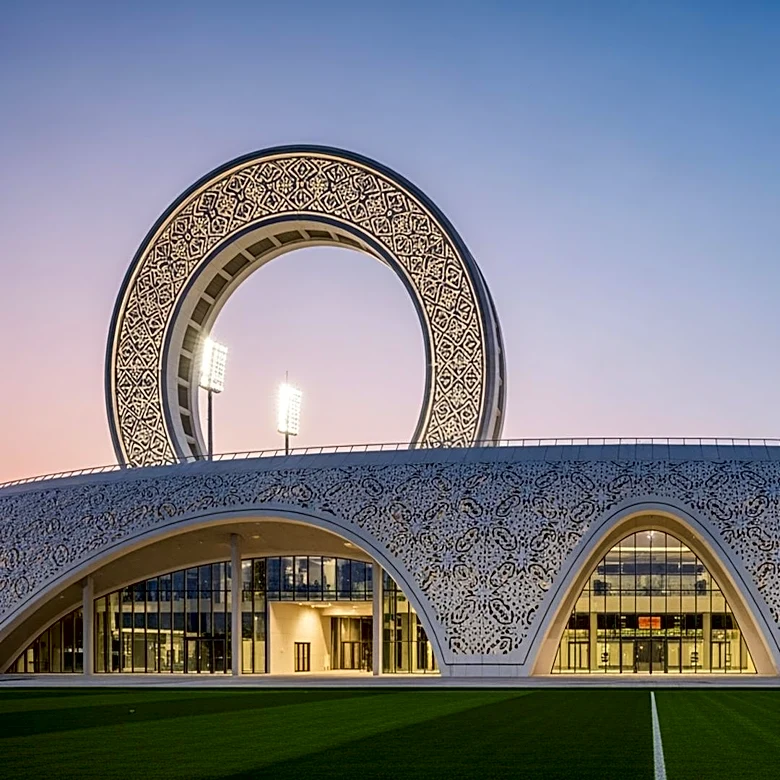



Stadium 974 in Doha, Qatar, stands out as a remarkable example of innovative stadium design. Built for the 2022 FIFA World Cup, it was conceived with sustainability and flexibility in mind. This article delves into the architectural and environmental aspects that make Stadium 974 a pioneering project in the world of sports venues.
A Modular Marvel
Stadium 974 was designed by Fenwick Iribarren Architects, who aimed to create a venue that could be easily dismantled and
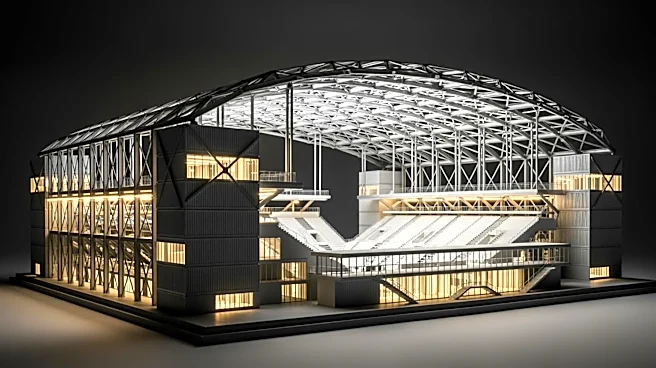
repurposed. The stadium's construction involved the use of 974 repurposed shipping containers, a nod to Qatar's international dialing code and the site's industrial history. This modular approach not only reduced construction costs but also minimized waste, making it a cost-effective and environmentally friendly solution.
The use of shipping containers allowed for a unique aesthetic and functional design. Each container was carefully integrated into the stadium's structure, providing both seating and facilities for spectators. This innovative use of materials highlights the potential for sustainable architecture in large-scale projects, setting a precedent for future stadium designs.
Environmental Considerations
One of the primary goals of Stadium 974's design was to avoid the creation of a "white elephant"—a stadium that would be left unused after the tournament. By making the stadium dismantlable, the architects ensured that it could be relocated and reused in another location, potentially in Africa or South America. This approach addresses the common issue of underutilized sports venues post-tournament.
Additionally, the stadium's location at a port meant it did not require air conditioning, unlike the other seven World Cup stadiums in Qatar. This decision significantly reduced the venue's energy consumption, aligning with the broader goal of minimizing the environmental impact of the World Cup. However, the stadium's carbon neutrality claims were met with some criticism, as they relied on offsetting emissions through tree planting rather than using alternative energy sources.
Legacy and Future Prospects
Although initially planned to be dismantled and relocated, as of 2025, Stadium 974 remains in its original location. The venue continues to host various events, including the 2024 FIFA Intercontinental Cup and the 2025 FIFA Arab Cup. This ongoing use demonstrates the stadium's versatility and the success of its design in avoiding obsolescence.
The concept of a temporary, modular stadium has sparked interest in the architectural community and among event organizers worldwide. Stadium 974 serves as a model for future projects seeking to balance functionality, sustainability, and cost-effectiveness. As the world continues to grapple with environmental challenges, the lessons learned from Stadium 974's design and implementation could influence the development of sports venues for years to come.