



Business attire has undergone significant changes over the years, evolving from strictly formal suits to more relaxed styles like business casual and Casual Friday. This transformation reflects broader cultural shifts and changing workplace norms. Understanding this evolution provides insight into how professional dress codes have adapted to modern needs while maintaining a sense of professionalism.
The Rise of Formal Business Attire
In the past, formal business attire was the standard
in professional settings. Men typically wore suits, which included a matching coat, trousers, and often a waistcoat. These suits were crafted from the same cloth, usually in dark colors, to convey a conservative and professional image. The suit's origins can be traced back to the late 19th century when it became the standard business daywear for men not engaged in physical labor.
The suit's design evolved over time, with different styles emerging in various regions. English suits were known for their tailored fit and padded shoulders, while Italian suits were slimmer and more shaped. American suits, on the other hand, had a looser fit with minimal shaping. Despite these variations, the suit remained a symbol of professionalism and respect in the workplace.
Transition to Business Casual
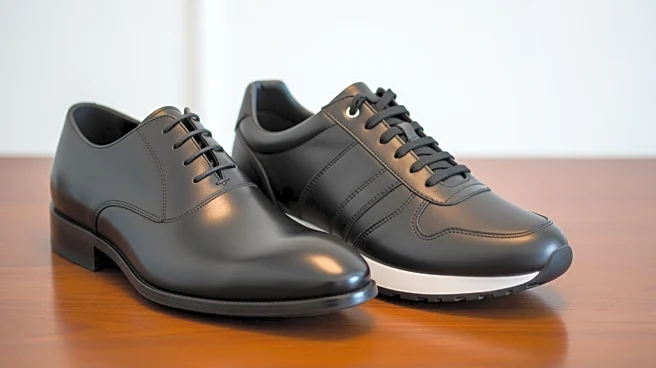
The concept of business casual emerged as a response to the rigidness of formal business attire. Business casual is a more relaxed dress code that still maintains a professional appearance. For men, it typically includes a dress shirt and trousers, with the option of a sport coat or blazer. Women can wear similar components, such as a blouse and skirt or trousers.
Business casual gained popularity in the United States, particularly after the introduction of Casual Fridays. This trend allowed employees to dress more casually on Fridays, inspired by the Hawaiian custom of Aloha Friday. The acceptance of business casual attire marked a significant shift in workplace culture, allowing for more comfort and personal expression while maintaining a professional image.
The Impact of Casual Friday
Casual Friday, also known as dress-down Friday, further relaxed workplace dress codes. It allowed employees to wear more casual clothing, such as jeans and polo shirts, on the last day of the workweek. This trend began in the 1950s and 1960s and gained widespread acceptance by the 1990s.
The introduction of Casual Friday was seen as a radical change in work fashion, comparable to the 1970s movement when women sought the right to wear trousers in the office. It reflected a broader cultural shift towards more flexible and inclusive workplace environments. Today, many companies continue to embrace Casual Friday, recognizing the benefits of a more relaxed dress code in fostering a positive work culture.
Overall, the evolution of business attire from formal suits to business casual and Casual Friday highlights the dynamic nature of workplace fashion. As societal norms continue to change, so too will the ways in which we dress for work.