




Paschimottanasana, commonly known as the Seated Forward Bend, is a staple in hatha yoga and modern yoga as exercise. Its origins can be traced back to ancient texts and practices, reflecting a rich history that has shaped its role in contemporary yoga. This article explores the historical development of Paschimottanasana, highlighting its significance in the evolution of yoga.
Ancient Texts and Early Descriptions
The name Paschimottanasana is derived from three Sanskrit words: Paschima,
meaning "West" or "the back of the body"; Uttana, meaning "intense stretch" or "extended"; and Asana, meaning "posture" or "seat." This pose is described in the 15th-century Hatha Yoga Pradipika, specifically in chapter 1, verses 28-29. The Hatha Yoga Pradipika is one of the earliest texts that systematically outlines the practice of hatha yoga, and Paschimottanasana is featured prominently within its pages.
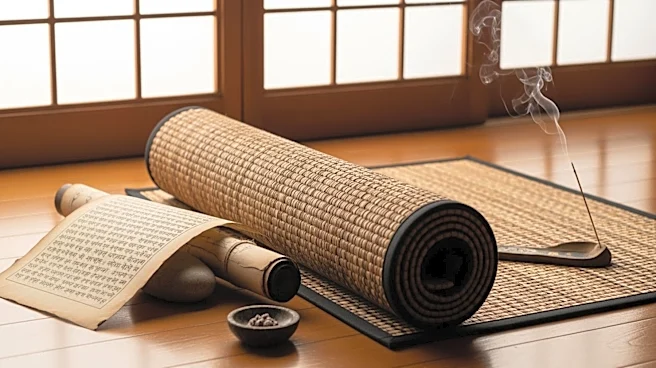
The historical significance of Paschimottanasana is further underscored by its illustration in an 1830 manuscript of the Jogapradipika. These early references highlight the pose's longstanding presence in yoga traditions, serving as a testament to its enduring appeal and utility in promoting physical and mental well-being.
Evolution in Modern Yoga
While Paschimottanasana has ancient roots, its practice has evolved significantly in modern yoga. The pose has been adapted and incorporated into various styles of yoga, including Ashtanga Vinyasa Yoga and Iyengar Yoga. Notable figures such as B. K. S. Iyengar and Pattabhi Jois have contributed to its popularization, each offering unique interpretations and techniques for mastering the pose.
In Iyengar Yoga, Paschimottanasana is often practiced with props such as straps and bolsters to accommodate practitioners of all levels. This approach emphasizes alignment and precision, allowing individuals to experience the full benefits of the pose without strain. In Ashtanga Vinyasa Yoga, the pose is integrated into dynamic sequences, promoting fluidity and strength.
Cultural Impact and Symbolism
Paschimottanasana is not only a physical exercise but also carries cultural and symbolic significance. In terms of the subtle body, Paschima refers to the central energy channel, the sushumna nadi, which runs the length of the backbone. This connection to the subtle body underscores the pose's role in facilitating energy flow and balance within the practitioner.
The pose's emphasis on forward bending and introspection aligns with the broader philosophical themes of yoga, encouraging practitioners to turn inward and cultivate mindfulness. As a result, Paschimottanasana has become a symbol of self-reflection and inner growth, resonating with individuals seeking a deeper connection to their practice and themselves.