







The history of cat food is a fascinating journey from homemade meals to the wide variety of commercial products available today. Cats, once considered self-sufficient hunters, have seen their dietary needs increasingly met by specialized cat food. This article traces the evolution of cat food, highlighting key developments and changes over time.
Early Cat Feeding Practices
In the 19th and early 20th centuries, cats were often fed homemade meals, primarily consisting of scraps
and leftovers. In London, itinerant traders known as Cats' Meat Men or Women sold horse meat to households as a common food source for cats. This practice was based on the belief that cats could fend for themselves and did not require specialized diets.
However, some writers of the time argued that well-fed cats were more effective hunters. They criticized the notion that underfed cats would hunt better, suggesting instead that a well-nourished cat would be more active and capable of catching mice. This shift in perspective laid the groundwork for the development of specialized cat food.
The Emergence of Commercial Cat Food
The late 19th century saw the emergence of commercial cat food, with companies like Spratt's offering ready-made products to replace homemade meals. Spratt's, initially known for dog biscuits, became the first commercial producer of cat food. Their products aimed to provide a more convenient and nutritious option for cat owners.
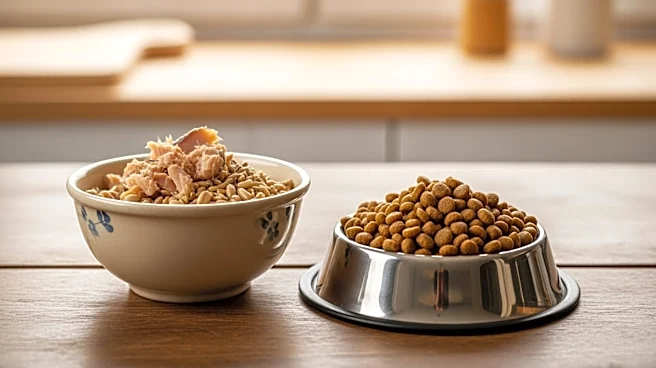
As the understanding of feline nutrition advanced, commercial cat food formulations evolved to meet the specific dietary needs of cats. This included the addition of essential nutrients like taurine and arginine, which are crucial for a cat's health. The development of dry kibble, wet canned food, and specialized diets for various health conditions further expanded the options available to cat owners.
Modern Cat Food and Industry Standards
Today, the cat food industry is a multi-billion-dollar market, offering a wide range of products to suit different dietary preferences and health needs. Regulations, such as those set by the Association of American Feed Control Officials (AAFCO), ensure that commercially available cat food meets specific nutritional standards.
Modern cat food comes in various forms, including grain-free, vegetarian, and raw diets. While these alternative diets have gained popularity, they remain controversial due to concerns about nutritional adequacy and safety. The pet food industry continues to evolve, balancing nutrition, sustainability, and consumer preferences while addressing emerging health concerns related to commercial diets.