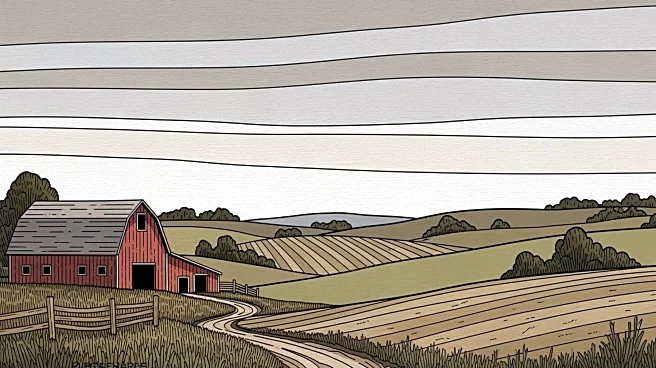




Grant Wood, an American painter born in 1891, is celebrated for his contributions to the Regionalism art movement. This style, which emerged in the early 20th century, focused on depicting rural American life, particularly in the Midwest. Wood's work, including his iconic painting "American Gothic," exemplifies the Regionalist approach, capturing the essence of American culture and landscapes.
The Rise of Regionalism
Regionalism as an art movement gained traction in the United
States during the 1930s. It was a response to the growing urbanization and industrialization of the country, offering a nostalgic look at rural life. Grant Wood, born in Anamosa, Iowa, was deeply influenced by his surroundings and sought to portray the simplicity and beauty of the Midwest through his art. His paintings often featured rural scenes, emphasizing the unique characteristics of the American heartland.
Wood's education at the School of the Art Institute of Chicago from 1913 to 1916 provided him with the technical skills to develop his distinctive style. During this period, he also worked as a silversmith, which contributed to his understanding of craftsmanship and detail. These experiences shaped his approach to painting, allowing him to create works that were both technically proficient and emotionally resonant.
American Gothic: A Regionalist Icon
"American Gothic," painted in 1930, is perhaps Grant Wood's most famous work and a quintessential example of Regionalism. The painting depicts a farmer and his daughter standing in front of a Gothic-style house, embodying the stoic and hardworking nature of rural Americans. The meticulous attention to detail and the use of symbolism in the painting reflect Wood's commitment to portraying the Midwest authentically.
The painting's success helped solidify Wood's reputation as a leading figure in the Regionalist movement. It resonated with audiences across the country, offering a sense of familiarity and pride in American rural life. "American Gothic" became an iconic representation of the era, capturing the spirit of the Midwest during a time of economic hardship and change.
Legacy and Influence
Grant Wood's impact on the Regionalism movement extended beyond his paintings. His dedication to depicting the American Midwest inspired other artists to explore their local environments and cultural heritage. Wood's work encouraged a broader appreciation for the diversity and richness of American landscapes and communities.
Wood's influence is evident in the continued interest in Regionalism and its themes. His paintings remain a testament to the power of art to capture the essence of a place and its people. Through his work, Grant Wood not only celebrated the Midwest but also contributed to a greater understanding of American identity and culture.