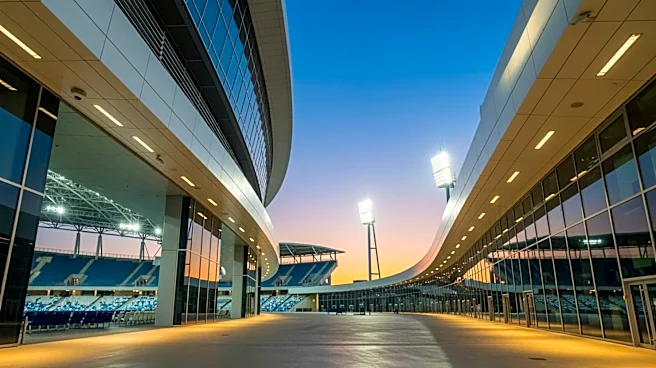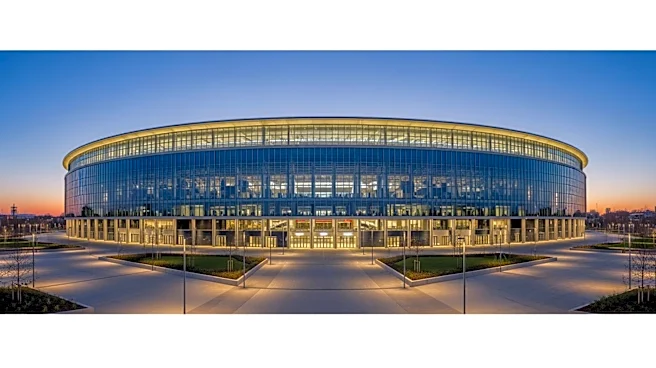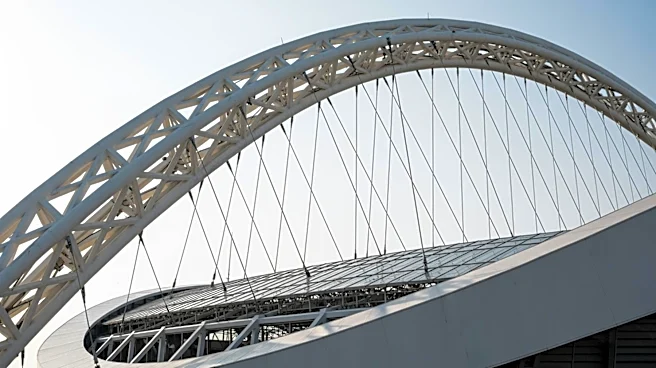

Cape Town Stadium has established itself as a prominent venue for international sports events, most notably the 2010 FIFA World Cup. Located in Cape Town, South Africa, the stadium has played a significant
role in bringing global sports competitions to the region. This article explores the stadium's impact on international sports and its contributions to the global sports community.
The 2010 FIFA World Cup
Cape Town Stadium gained international recognition when it co-hosted the 2010 FIFA World Cup. As one of the ten stadiums selected for the tournament, it became a focal point for soccer fans worldwide. FIFA referred to the venue as Green Point Stadium during the World Cup, underscoring its importance in the event.
The stadium hosted several matches, including group stage games and knockout rounds. These events attracted large crowds and showcased the stadium's ability to accommodate international competitions. The successful hosting of World Cup matches not only elevated the stadium's status but also highlighted South Africa's capacity to organize major sports events on a global scale.
Impact on Cape Town and South Africa
The 2010 FIFA World Cup had a profound impact on Cape Town and South Africa as a whole. Hosting such a prestigious event brought international attention to the region, boosting tourism and economic activity. Cape Town Stadium played a central role in this transformation, serving as a key venue for matches and contributing to the overall success of the tournament.
The influx of visitors and media coverage during the World Cup showcased Cape Town's vibrant culture and hospitality. The stadium's ability to host large-scale events demonstrated South Africa's readiness to participate in the global sports community. This exposure helped to position Cape Town as a desirable destination for future international competitions.
Legacy and Future Prospects
The legacy of the 2010 FIFA World Cup continues to influence Cape Town Stadium's role in international sports. Following the tournament, the stadium transitioned to become the home of Western Province Rugby, further expanding its reach in the sports world. Its capacity and facilities make it an ideal venue for hosting rugby matches and other major events.
Looking ahead, Cape Town Stadium remains a symbol of South Africa's commitment to international sports. Its history of hosting world-class events positions it as a key player in the global sports arena. As the stadium continues to evolve, it will likely attract more international competitions, reinforcing its status as a hub for sports and entertainment.