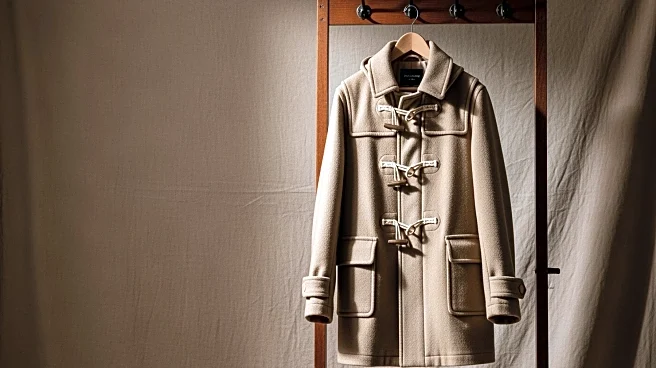




The duffel coat, with its unique design and historical roots, has made a significant impact on culture and fashion. Originally a military garment, the coat has transcended its utilitarian origins to become a symbol of style and practicality. Its presence in popular culture and media has further solidified its status as an iconic piece of clothing.
Representation in Media
The duffel coat has been featured prominently in various forms of media, often associated with characters
who embody warmth, resilience, and a sense of adventure. One of the most famous representations is Paddington Bear, the beloved children's character known for his blue duffel coat and red hat. Paddington's coat is not just a piece of clothing but a part of his identity, symbolizing his journey from Peru to London and his integration into British culture.
In film, the duffel coat has been worn by characters who exude a sense of ruggedness and practicality. In the 1949 movie "The Third Man," British Major Calloway, played by Trevor Howard, dons a standard issue Army duffel coat, reinforcing his military background and no-nonsense demeanor. The coat's appearance in such films highlights its association with strength and reliability.
Fashion and Style
Beyond its media representations, the duffel coat has made a lasting impact on fashion. Its distinctive toggle fastenings and large hood have become synonymous with classic style, appealing to those who appreciate both form and function. The coat's versatility allows it to be dressed up or down, making it a staple in many wardrobes.
Fashion designers have embraced the duffel coat's timeless appeal, incorporating it into their collections and reimagining it with modern twists. The coat's ability to adapt to changing fashion trends while maintaining its core design elements speaks to its enduring popularity. Whether made from traditional duffel cloth or softer modern fabrics, the coat remains a favorite among fashion enthusiasts.
A Symbol of Heritage
The duffel coat's origins in Duffel, Belgium, and its historical use by the military add layers of heritage and authenticity to its cultural significance. Wearing a duffel coat can evoke a sense of connection to history and tradition, appealing to those who value garments with a story.
In countries like Italy, Greece, and The Netherlands, the coat is known as a "Montgomery" or "montycoat," named after Field Marshal Sir Bernard Montgomery, who famously wore it during World War II. This association with a historical figure further enhances the coat's cultural resonance.
The duffel coat's impact on culture and fashion is undeniable. Its presence in media, its adaptability in fashion, and its rich historical background make it a garment that continues to capture the imagination and affection of people worldwide.