




Wristwatches have transcended their original purpose as mere timekeeping devices to become cultural icons and symbols of personal style. From their early adoption by military personnel to their status as fashion statements, wristwatches have played a significant role in shaping cultural and social norms. This article delves into the cultural impact of wristwatches, exploring their influence on fashion, identity, and technology.
Wristwatches as Fashion Statements
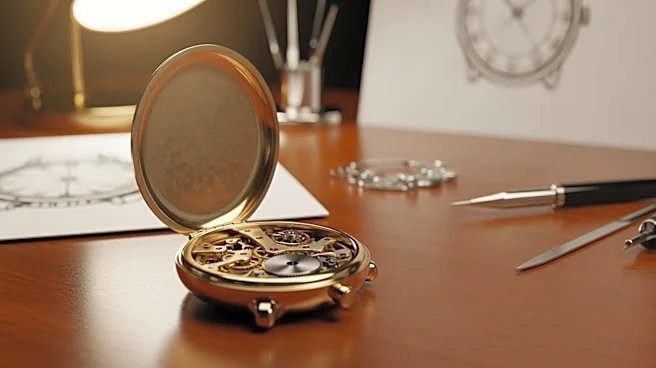
The transition from
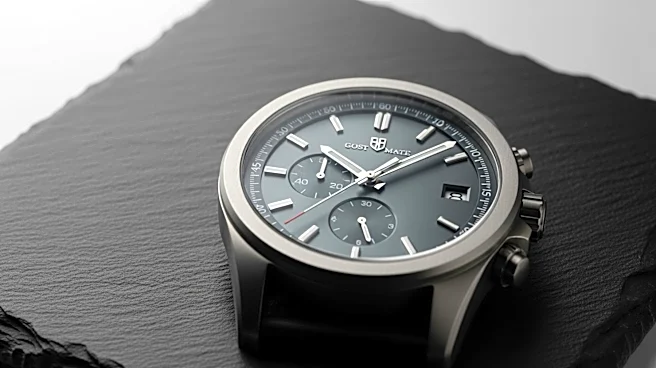
pocket watches to wristwatches marked a significant shift in fashion. Initially seen as feminine, wristwatches gained popularity among men during World War I due to their practicality. By the end of the war, wristwatches had become fashionable for men, with the British Horological Journal noting their widespread use among both military personnel and civilians.
Wristwatches soon became symbols of personal style and status. Luxury brands like Rolex and Cartier capitalized on this trend, producing high-end watches that were as much about fashion as they were about function. The collaboration between Apple and Hermès in 2015 further exemplified the fusion of technology and fashion, offering a smartwatch with exclusive bands and designs.
Identity and Personal Expression
Wristwatches have long been associated with personal identity and expression. The choice of a watch can reflect an individual's taste, lifestyle, and values. For some, a watch is a practical tool, while for others, it is a statement piece that conveys sophistication and elegance.
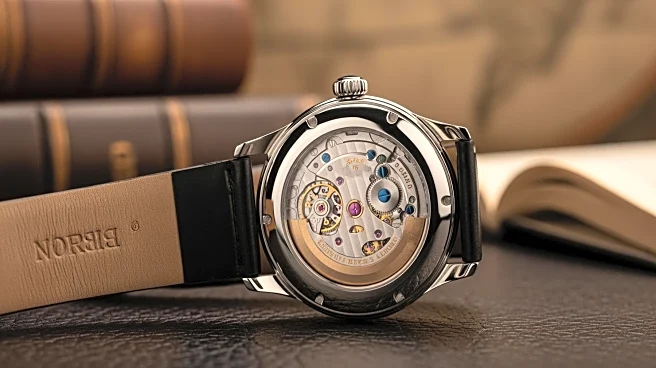
The variety of watch designs, from rugged sports models to elegant dress watches, allows individuals to express their personality through their choice of timepiece. The introduction of customizable smartwatches has further expanded this realm, enabling users to select watch faces and bands that suit their preferences.
Technological Influence and Smartwatches
The cultural impact of wristwatches extends to their role in technological innovation. The development of smartwatches has transformed the way people interact with technology, offering features like fitness tracking, GPS, and heart rate monitoring. These devices have become integral to modern life, reflecting the growing importance of technology in everyday activities.
Smartwatches have also influenced cultural norms around health and wellness, encouraging users to monitor their physical activity and adopt healthier lifestyles. The integration of technology into wristwatches represents a convergence of fashion, function, and innovation, highlighting their enduring cultural significance.
Wristwatches continue to be more than just timekeeping devices; they are cultural artifacts that reflect the values and aspirations of society. As technology advances, their role in shaping cultural and social norms will undoubtedly evolve, maintaining their status as symbols of style and identity.