




The modern suit, a staple of men's formal wear, has a rich history that traces back several centuries. Initially emerging from the royal courts of the 17th century, the suit has undergone significant transformations to become the business and formal attire we recognize today. This article delves into the historical journey of the suit, highlighting key developments and changes in style and function over time.
The Origins of the Suit
The suit's origins can be traced back to
the 17th century, during the reign of King Charles II of England. Inspired by the court of King Louis XIV of France, Charles II decreed that men in the English court should wear a long coat, waistcoat, cravat, wig, knee breeches, and a hat. This ensemble laid the groundwork for what would eventually evolve into the modern suit. The early suits were characterized by their elaborate designs and bright colors, reflecting the opulence of the royal courts.
As time progressed, the suit began to shed its extravagant elements, influenced by the French Revolution and the subsequent shift towards more practical and less ostentatious clothing. The 19th century saw the emergence of the lounge suit, which was initially considered informal attire suitable for sports and country wear. This period marked a significant shift towards the more subdued and functional designs that would define the modern suit.
The Rise of the Lounge Suit
The late 19th and early 20th centuries were pivotal in the evolution of the suit. The lounge suit, which originated as informal wear, gradually gained acceptance in urban settings. It became the standard attire for business and formal occasions, replacing the frock coat and morning coat. The lounge suit's design was influenced by the paletot coat, featuring a loose cut and no waist seam, which allowed for greater comfort and mobility.
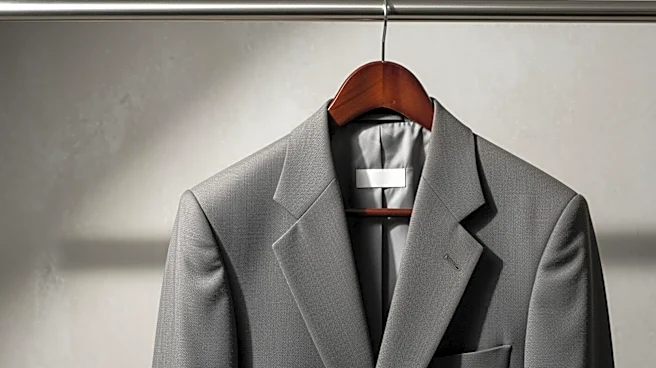
During this time, the suit's color palette also shifted towards more conservative tones, such as dark gray and navy, which are still popular today. The introduction of the dinner jacket, or tuxedo, provided a less formal alternative to the traditional evening tailcoat, further cementing the suit's place in men's fashion.
Modern Adaptations and Styles
In the 20th century, the suit continued to evolve, adapting to changing social norms and fashion trends. The post-World War II era saw a simplification of the suit's design, with a focus on streamlined silhouettes and narrower lapels. The 1960s and 70s introduced more experimental styles, including the Nehru jacket and leisure suits, reflecting the cultural shifts of the time.
Today, the suit remains a symbol of professionalism and elegance, with a wide range of styles and cuts available to suit different tastes and occasions. From bespoke tailoring to ready-to-wear options, the modern suit continues to be a versatile and enduring element of men's fashion, embodying a rich history of sartorial evolution.