





The measurement of body composition has evolved significantly over the years, thanks to technological advancements. These developments have improved the accuracy and accessibility of body composition analysis, providing valuable insights into health and fitness. This article explores the latest advancements in body composition measurement and their implications for health and fitness.
Traditional Methods and Their Limitations
Historically, body composition was measured using methods like skinfold
tests and hydrostatic weighing. Skinfold tests involve using calipers to measure the thickness of subcutaneous fat at various body sites. While useful for tracking changes over time, these tests can be influenced by the skill of the person conducting them and the individual's unique fat distribution.
Hydrostatic weighing, also known as underwater weighing, measures body density by calculating the volume of water displaced by the body. Although accurate, this method is cumbersome and requires specialized equipment, making it less accessible for everyday use.
Technological Innovations
Recent technological innovations have revolutionized body composition measurement. Dual-energy X-ray absorptiometry (DEXA) scans have become increasingly popular due to their precision and ability to measure bone mineral content, lean tissue mass, and fat tissue mass. DEXA scans are fast, non-invasive, and expose individuals to minimal radiation, making them suitable for clinical and research applications.
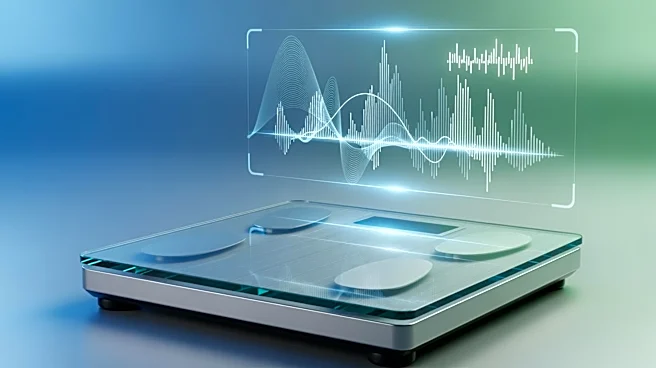
Bioelectrical impedance analysis (BIA) is another advancement that estimates body composition by measuring electrical resistance. BIA devices are portable and easy to use, making them popular in fitness and wellness settings. However, BIA is sensitive to hydration levels, which can affect accuracy.
Emerging Techniques
Emerging techniques like the Body Volume Index (BVI) and quantitative magnetic resonance (QMR) offer new ways to assess body composition. BVI uses 3D imaging to create a silhouette of the body, allowing for detailed analysis of body shape and fat distribution. This method can be performed using smartphone images, making it highly accessible.
QMR applies a magnetic field to measure differences in relaxation rates of hydrogen atoms within fat and lean mass. It provides precise measurements of fat mass, lean mass, and total body water. QMR is widely used in animal studies and is gaining traction in human body composition analysis.
These advancements have significant implications for health and fitness. They enable more accurate assessments of body composition, allowing for personalized fitness programs and better monitoring of health outcomes. As technology continues to evolve, body composition measurement will become even more integral to health and wellness.