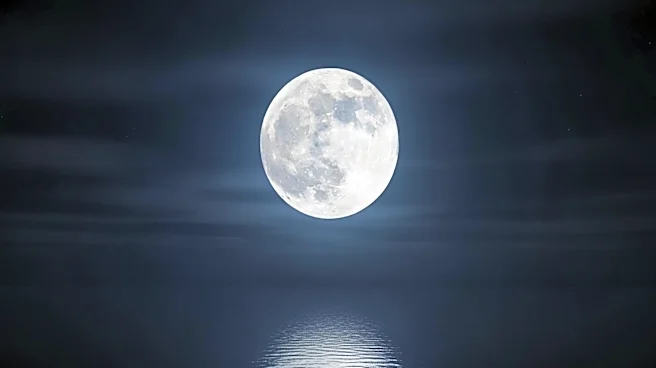

The full moon has captivated human imagination for centuries, serving as a symbol of mystery, power, and change. Across various cultures, the full moon holds significant spiritual and cultural importance,
often associated with festivals, myths, and folklore. This article explores the diverse ways in which the full moon is celebrated and perceived around the world.
Full Moon Festivals and Celebrations
In many cultures, the full moon is a time for celebration and reflection. One of the most well-known festivals is Vesak, celebrated by Buddhists to commemorate the birth, enlightenment, and death of the Buddha. This festival takes place on the full moon day of the Vaisakha month, highlighting the moon's role in marking important spiritual events.
Similarly, in Hinduism, the full moon is associated with various Purnima observances. These are days of fasting and prayer, often dedicated to specific deities or spiritual practices. The full moon is seen as an auspicious time for spiritual growth and renewal, reflecting its symbolic significance in Hindu culture.
Myths and Folklore Surrounding the Full Moon
The full moon has long been a subject of myths and legends. In Western folklore, it is often linked to phenomena such as lycanthropy, where individuals are believed to transform into werewolves under the full moon's light. This association with madness and transformation is reflected in terms like "lunacy" and "lunatic," derived from the Latin word for moon, "luna."
Despite the lack of scientific evidence supporting these beliefs, the full moon continues to be a powerful symbol in storytelling and popular culture. Its mysterious glow and cyclical nature inspire tales of magic, transformation, and the supernatural, keeping the full moon at the forefront of human imagination.
The Full Moon in Modern Culture
In contemporary times, the full moon remains a popular subject in art, literature, and media. Terms like "blood moon" and "blue moon" have entered popular use, often referring to rare lunar events or eclipses. These terms capture the public's fascination with the moon's changing appearance and its impact on the night sky.
The full moon also plays a role in modern spiritual practices, with many people using its energy for meditation, manifestation, and ritual. The moon's phases are often incorporated into personal and communal spiritual practices, reflecting its continued influence on human life.
Overall, the full moon's cultural significance is a testament to its enduring presence in human history. Whether through festivals, myths, or modern spirituality, the full moon continues to inspire awe and wonder, connecting people across time and space.