



The Alamo Mission in San Antonio, Texas, is renowned not only for its historical significance but also for its architectural evolution. From its origins as a Spanish mission to its current status as a museum, the Alamo has undergone numerous changes that reflect its varied roles throughout history.
Early Mission Structures
The Alamo Mission was originally established in the early 18th century as Misión San Antonio de Valero. Its initial structures were simple, made from mud,
brush, and straw. These temporary buildings served the mission's early needs but were vulnerable to natural disasters.
In 1724, after a hurricane destroyed the original structures, the mission was relocated to a more stable site. Over the next several decades, the complex expanded to cover three acres, with adobe barracks and a textile workshop. By 1744, the mission had constructed a two-story stone residence for the priests, marking the beginning of more permanent architectural developments.
Military Fortifications
As the mission transitioned to military use, its architecture adapted to meet new needs. In the late 18th century, the mission was secularized and abandoned, only to be repurposed as a fortress. The military added walls and turrets to defend against Apache and Comanche raids.
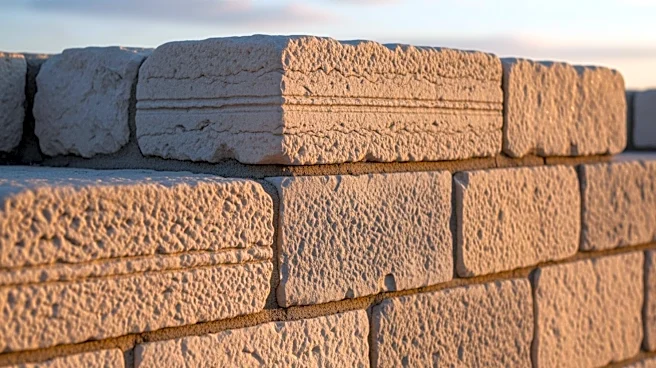
The chapel, intended to be highly decorated, was constructed with thick limestone blocks. Although plans for a dome and bell towers were never completed, the chapel's design reflected traditional Spanish ecclesiastical architecture. The mission's fortifications included cannon placements and parapets, enhancing its defensive capabilities.
Modern Restoration Efforts
In the late 19th and early 20th centuries, efforts to preserve the Alamo's architecture began in earnest. The Daughters of the Republic of Texas played a crucial role in these efforts, convincing the state to purchase the remaining buildings and restore them.
Restoration projects have focused on maintaining the historical integrity of the site while accommodating modern needs. The chapel's facade was repaired, and a wooden roof was added. The long barracks were roofed and converted into a museum, preserving the site's architectural heritage.
Today, the Alamo stands as a testament to its architectural evolution, reflecting the diverse roles it has played throughout history. Its preservation allows visitors to appreciate the site's historical significance while exploring the architectural changes that have shaped its legacy.