






The song "If I Had a Hammer," written by Pete Seeger and Lee Hays, became an anthem for the civil rights movement in the United States during the 1960s. Originally penned in 1949, the song gained widespread popularity when recorded by Peter, Paul and Mary in 1962 and Trini Lopez in 1963. Its message of justice and equality resonated deeply with American youth and activists, helping to galvanize the movement for social change.
A Song of Protest and Unity
"If I Had a Hammer" was
initially written in support of the Progressive movement, reflecting the political climate of the late 1940s. The song's lyrics speak to themes of justice, freedom, and love, which aligned perfectly with the ideals of the civil rights movement. When Peter, Paul and Mary recorded the song in 1962, it quickly became a top 10 hit, earning Grammy Awards for Best Folk Recording and Best Performance by a Vocal Group. The trio's rendition brought the song to a wider audience, making it a staple at rallies and protests.
Trini Lopez's version, released in 1963, further cemented the song's place in American culture. His upbeat, energetic interpretation reached number three on the US Billboard Hot 100, appealing to a diverse audience and spreading the song's message even further. The song's success on the charts helped to amplify its impact, turning it into a rallying cry for those fighting for civil rights.
Symbolism and Cultural Resonance
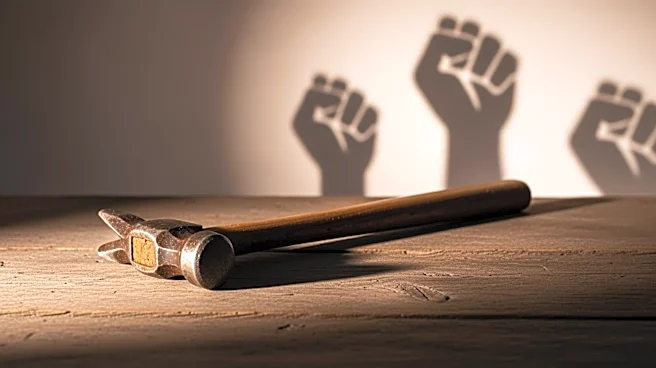
The hammer, bell, and song mentioned in the lyrics symbolize the tools needed to build a better society. These symbols were powerful during the civil rights era, representing the struggle for equality and justice. The song's call for action and unity resonated with activists who were working tirelessly to dismantle segregation and discrimination.
The song's influence extended beyond the United States, inspiring movements worldwide. Its universal message of hope and change made it a timeless piece that continues to be relevant in social justice movements today. The simplicity of its lyrics allowed it to be easily adapted and sung by diverse groups, further spreading its message.
Legacy and Continued Relevance
"If I Had a Hammer" remains a significant cultural artifact from the civil rights era. Its role in the movement highlights the power of music to inspire and unite people in the fight for justice. The song's legacy is evident in its continued use in protests and rallies, serving as a reminder of the progress made and the work still to be done.
The song's impact on the civil rights movement is a testament to the ability of art to effect change. As new generations continue to face challenges in the pursuit of equality, "If I Had a Hammer" stands as a beacon of hope and a call to action.