





The Tomb of the Unknown Soldier at Arlington National Cemetery is not only a symbol of national reverence but also an architectural masterpiece. Designed to honor unidentified soldiers from major conflicts, the tomb's construction and design reflect a blend of artistry and symbolism. This article delves into the architectural aspects of the tomb and its significance.
Design and Construction
The design of the Tomb of the Unknown Soldier was the result of a national competition
held in 1928. Sculptor Thomas Hudson Jones and architect Lorimer Rich were selected from 73 submissions for their vision of a dignified and symbolic monument. The tomb was completed in 1932, featuring a marble sarcophagus that rests atop the grave of the World War I Unknown.
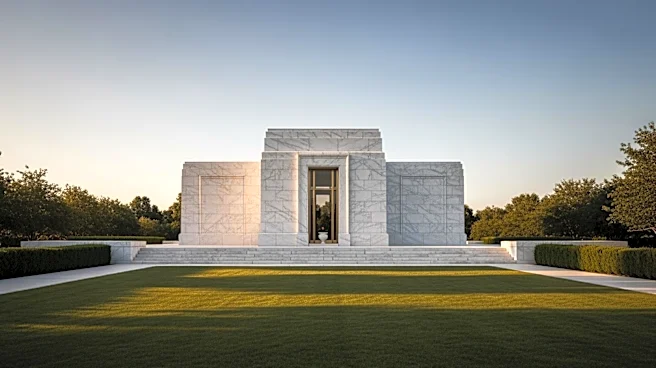
The tomb consists of seven pieces of marble, quarried from Yule marble in Colorado. The largest block, known as the die, is intricately sculpted on all four sides. The quarrying process was meticulous, requiring multiple attempts to extract the perfect blocks. The assembly of the tomb began in September 1931, with the final carvings completed by the renowned Piccirilli Brothers, who also worked on the Lincoln Memorial.
Symbolic Elements
The tomb's design incorporates several symbolic elements that convey its purpose. The north and south panels feature three wreaths on each side, representing "a world of memories." These wreaths later came to symbolize the six major battles engaged in by American forces in France during World War I. Each wreath is adorned with 38 leaves and 12 berries, adding to the intricate detail of the design.
The east panel, facing Washington, D.C., depicts three Greek figures representing Peace, Victory, and Valor. This artistic choice reflects the ideals and sacrifices of the soldiers honored by the tomb. The west panel bears the inscription: "Here rests in honored glory an American soldier known but to God," encapsulating the tomb's role as a tribute to all unknown soldiers.
The Tomb's Legacy
The Tomb of the Unknown Soldier has become a central monument at Arlington National Cemetery, drawing visitors from around the world. Its architectural design and symbolic elements continue to resonate with those who visit, serving as a reminder of the sacrifices made by countless soldiers.
The tomb's construction and design reflect a commitment to honoring the unknown soldiers with dignity and respect. As a site of national significance, the Tomb of the Unknown Soldier stands as a testament to the enduring gratitude of the American people for those who have served without recognition.