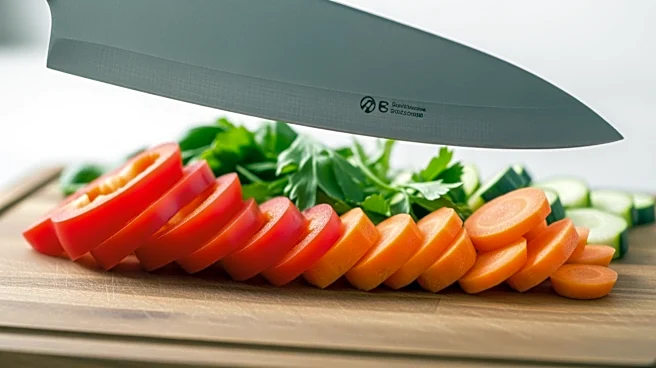





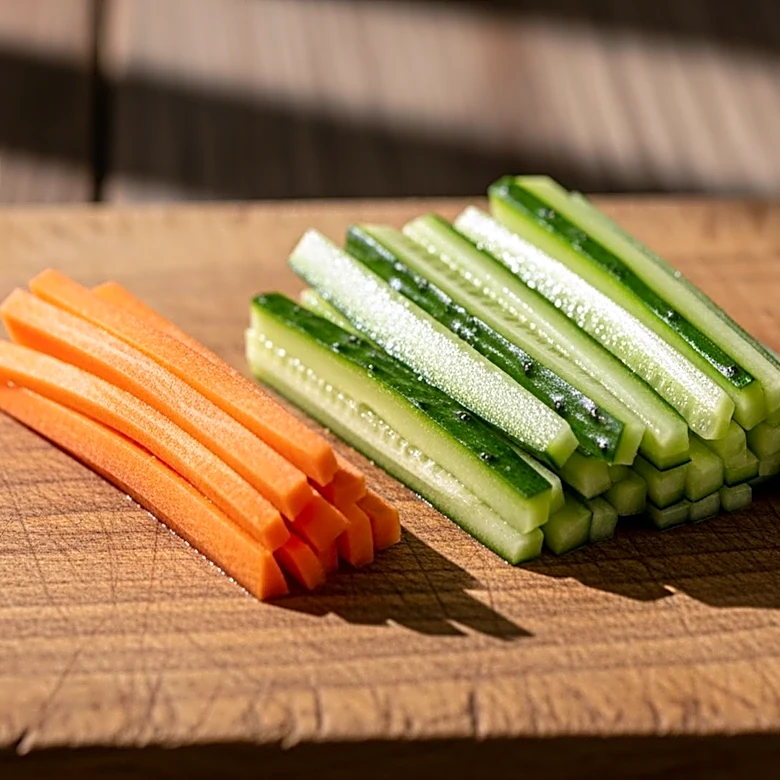



Chopping is a fundamental technique in the culinary world, essential for preparing a wide variety of dishes. It involves cutting ingredients into smaller pieces, often using a knife, and is a skill that every chef must master. This article delves into the significance of chopping in cooking, the different methods used, and its impact on food preparation.
The Importance of Chopping in Cooking
Chopping is more than just a basic kitchen task; it is a crucial step in food preparation that
affects the texture, flavor, and presentation of a dish. Proper chopping ensures that ingredients cook evenly, which is vital for achieving the desired taste and consistency. For instance, uniformly chopped vegetables will cook at the same rate, preventing some pieces from being overcooked while others remain undercooked.
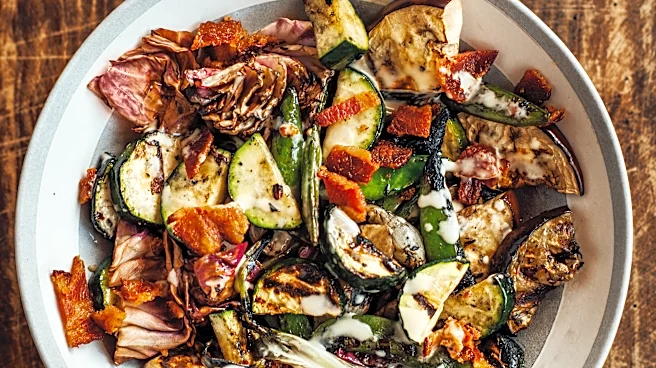
In addition to its practical benefits, chopping also plays a role in enhancing the visual appeal of a dish. Neatly chopped ingredients contribute to a dish's overall presentation, making it more appetizing. This is particularly important in professional kitchens, where the appearance of a dish can be as important as its taste.
Techniques and Tools for Chopping
There are various techniques and tools used for chopping, each suited to different types of ingredients and desired outcomes. The most common tool is the chef's knife, which is versatile and can be used for a wide range of chopping tasks. Other tools include cleavers, which are ideal for chopping through bones, and paring knives, which are perfect for more delicate tasks.
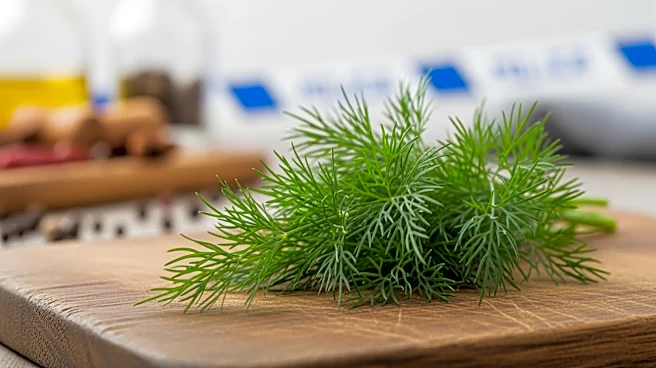
The technique used for chopping can vary depending on the ingredient. For example, the rocking motion is often used for chopping herbs, allowing for a fine, even cut. On the other hand, a straight up-and-down motion might be used for chopping harder vegetables like carrots or potatoes. Mastery of these techniques is essential for efficiency and safety in the kitchen.
Chopping in Different Culinary Traditions
Chopping techniques can vary significantly across different culinary traditions, reflecting the diverse ways in which food is prepared and consumed around the world. In Asian cuisines, for example, ingredients are often chopped into smaller, bite-sized pieces to facilitate quick cooking methods like stir-frying. This not only speeds up the cooking process but also ensures that the flavors are well-distributed throughout the dish.
In contrast, Western cuisines might favor larger cuts for certain dishes, such as stews or roasts, where the ingredients are cooked slowly over a longer period. The size and shape of the chopped ingredients can influence the texture and flavor profile of the final dish, highlighting the importance of chopping in culinary arts.
Chopping is a skill that combines precision, technique, and creativity, making it an essential component of culinary practices worldwide. Whether in a professional kitchen or at home, mastering the art of chopping can elevate the quality of any dish.