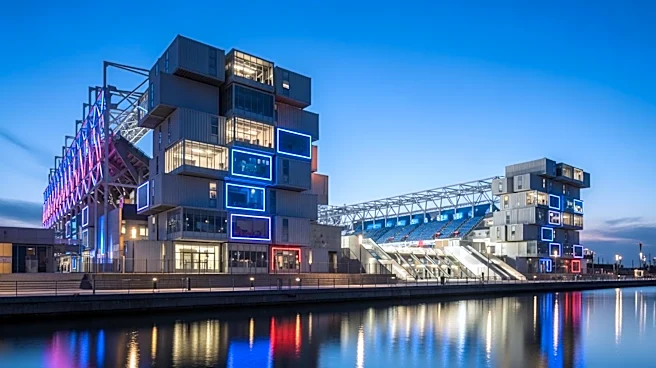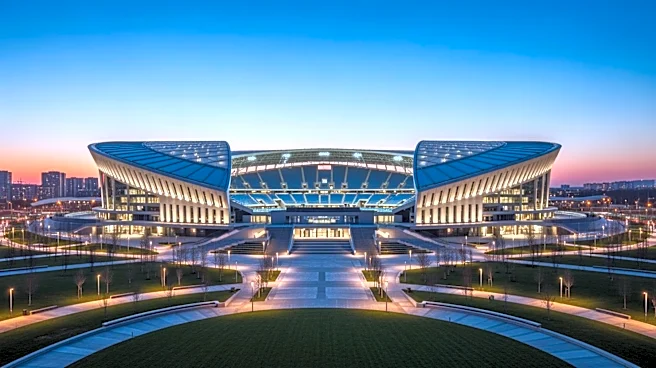

Mbombela Stadium, located in the city of Mbombela, South Africa, was one of the key venues for the 2010 FIFA World Cup. Built specifically for the event, the stadium played a crucial role in hosting matches
and has since become a significant part of the region's sporting landscape. This article explores the stadium's involvement in the World Cup and its enduring legacy.
Hosting the World Cup
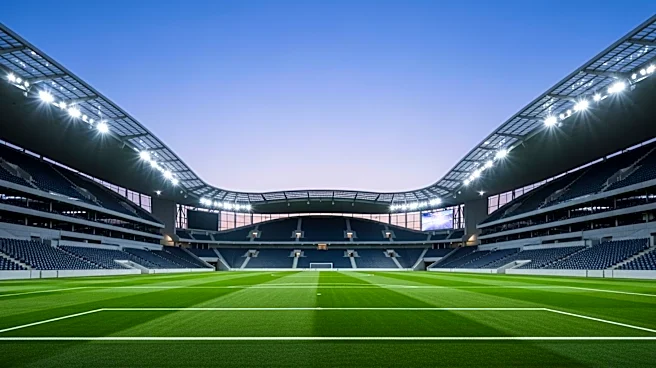
The 2010 FIFA World Cup was a landmark event for South Africa, marking the first time the tournament was held on the African continent. Mbombela Stadium was one of the ten venues selected to host the matches, and it was one of the five newly constructed stadiums for the event. With a seating capacity of 43,500, the stadium was designed to accommodate large crowds and provide an exceptional viewing experience for fans.
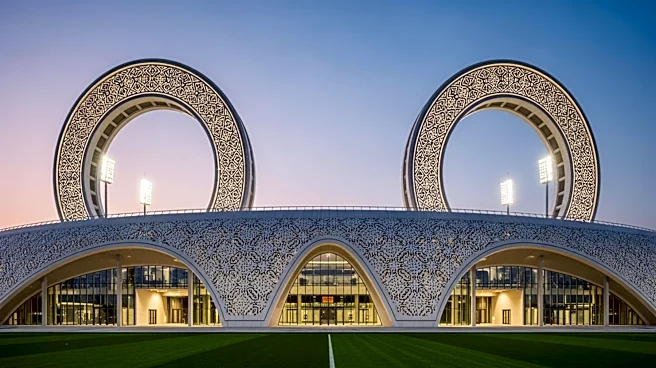
During the World Cup, Mbombela Stadium hosted four matches, drawing international attention to the city and the region. The stadium's design, featuring giraffe-shaped pylons and a roof that covers most of the seating area, provided a unique backdrop for the games. The successful hosting of these matches demonstrated South Africa's ability to organize and manage a global sporting event, boosting the country's reputation on the world stage.
Economic and Social Impact
The construction of Mbombela Stadium was a significant investment, funded entirely by the central government. The project not only provided a venue for the World Cup but also created jobs and stimulated economic activity in the region. The influx of tourists and international visitors during the tournament brought economic benefits to local businesses and helped promote Mbombela as a tourist destination.
Beyond the economic impact, the stadium has also contributed to the social and cultural life of the region. It serves as the home ground for the Pumas rugby team and has hosted various sporting events, including international rugby test matches. The stadium's presence has encouraged the development of sports in the area, providing a platform for local athletes to showcase their talents.
A Lasting Legacy
Since the World Cup, Mbombela Stadium has continued to be a vital part of the region's sports infrastructure. Its design and facilities make it a versatile venue capable of hosting a wide range of events. The stadium stands as a symbol of the 2010 FIFA World Cup's legacy, representing the spirit of unity and celebration that the tournament brought to South Africa.
In conclusion, Mbombela Stadium's role in the 2010 FIFA World Cup has left a lasting impact on the region. It remains a testament to South Africa's achievements in hosting a successful global event and continues to serve as a hub for sports and community activities.