






Fort Michilimackinac, located in Michigan, is not only a site of historical significance but also a treasure trove for archaeologists. The fort's reconstruction and preservation efforts have been informed by extensive archaeological research, making it one of the most thoroughly excavated early colonial French sites in the United States.
Early Excavations and Reconstruction
The first archaeological investigation at Fort Michilimackinac began in 1959, marking the start of a long-term project
to uncover the fort's past. The Mackinac Island State Park Commission, in collaboration with Michigan State University, initiated these efforts to better understand the fort's historical layout and daily life.
Initial excavations focused on the fort's palisade, which was reconstructed in 1933. However, in 1960, this reconstruction was demolished to make way for a more accurate representation based on archaeological findings. The ongoing excavations have revealed a wealth of artifacts and structural remains, providing insights into the fort's construction and use over the years.
Significant Findings and Their Implications
Archaeologists have uncovered evidence of at least 40 structures within the fort's walls, with about 65% of these having been reconstructed as of 2024. These findings include remnants of wooden buildings, palisades, and various household items that paint a picture of life at the fort during its French and British periods.
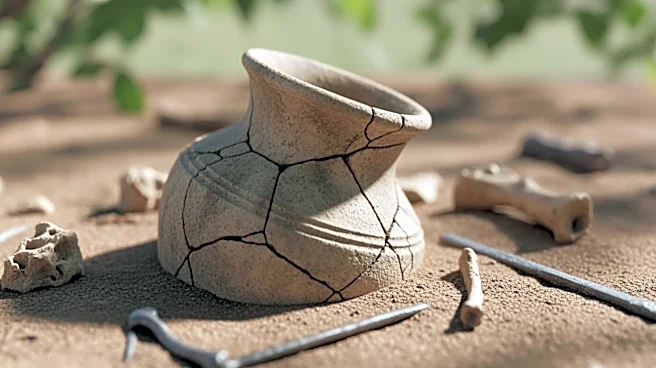
The discovery of three houses outside the fort's walls between 1970 and 1973 expanded the scope of the archaeological project. These findings suggest that the fort's influence extended beyond its immediate boundaries, impacting the surrounding community. The artifacts unearthed, ranging from pottery to tools, offer a glimpse into the daily lives of the fort's inhabitants and their interactions with the local environment.
Ongoing Research and Public Engagement
Archaeological research at Fort Michilimackinac continues to this day, with both paid and volunteer staff contributing to the efforts. The site is considered one of the most extensively excavated early colonial French archaeological sites in the United States, attracting researchers and history enthusiasts alike.
The reconstructed fort, now part of Colonial Michilimackinac Historic State Park, serves as an open-air museum where visitors can engage with the past. Live demonstrations, reenactments, and interactive exhibits bring the fort's history to life, allowing the public to appreciate the significance of the archaeological discoveries made here.
Through these efforts, Fort Michilimackinac remains a vital link to the past, offering valuable insights into the cultural and historical dynamics of the Great Lakes region. The ongoing archaeological work ensures that the fort's legacy continues to be explored and understood by future generations.