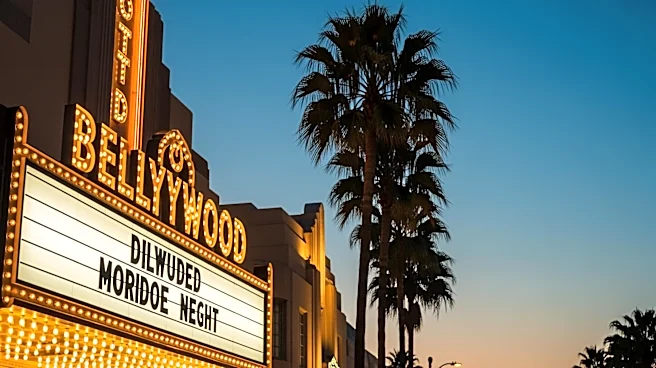




The Hollywood Roosevelt Hotel stands as a testament to the rich history and glamour of Hollywood. Opened in 1927, this iconic hotel has been a witness to numerous significant events and has hosted a plethora of famous personalities. Named after President Theodore Roosevelt, the hotel is renowned for its Spanish colonial architecture and its role in the early days of Hollywood's entertainment industry. This article delves into the historical significance
and development of the Hollywood Roosevelt Hotel, highlighting its key milestones and enduring legacy.
The Birth of a Hollywood Icon
The Hollywood Roosevelt Hotel was constructed in 1926 and officially opened its doors on May 15 of the same year. It was named in honor of President Theodore Roosevelt and quickly became a central hub for Hollywood's elite. The hotel was one of the first in the United States to feature air conditioning, a luxury at the time, which added to its allure. Designed by architect Leland A. Bryant, the hotel was built at a cost of $2.5 million, a significant investment that underscored its intended status as a premier destination.
From its inception, the Hollywood Roosevelt Hotel was a magnet for celebrities. Notable guests included Clark Gable, Carole Lombard, and Marilyn Monroe, who lived at the hotel for two years early in her career. The hotel's Blossom Room was the site of the first Academy Awards ceremony in 1929, further cementing its place in Hollywood history. Over the years, the hotel has undergone several renovations, including a major refurbishment in 2005, ensuring it remains a luxurious destination.
Architectural and Cultural Significance
The Hollywood Roosevelt Hotel is a prime example of Spanish colonial architecture, a style that was popular in California during the early 20th century. The hotel's design features intricate details and elegant spaces, including two rooftop gardens, a ballroom, and a swimming pool, which was the first of its kind in a hotel. The hotel's Cinegrill nightclub was a popular venue for jazz legends like Duke Ellington and Billie Holiday, while the Tropicana nightclub hosted performances by Frank Sinatra and Dean Martin.
In addition to its architectural beauty, the hotel has played a significant role in Hollywood's cultural landscape. It has been a favored location for film and television productions, appearing in movies such as "The Last Tycoon" and "The Bodyguard." The hotel's historical photo collection, featuring over 100,000 images from the 1920s to the 1960s, offers a glimpse into Hollywood's glamorous past.
The Hollywood Roosevelt Today
Today, the Hollywood Roosevelt Hotel continues to operate as a luxury hotel, attracting tourists and celebrities alike. It offers a variety of accommodations, from standard guest rooms to suites and bungalows, catering to diverse preferences. The hotel remains a popular venue for events and parties, maintaining its status as a vibrant part of Hollywood's social scene.
The Hollywood Roosevelt Hotel's enduring appeal lies in its rich history and its ability to adapt to changing times while preserving its unique character. As a designated California Historical Landmark, the hotel stands as a symbol of Hollywood's golden age and continues to be a cherished destination for those seeking a taste of its storied past.