



Lingerie has undergone significant transformations over the centuries, evolving from restrictive corsets to the diverse and fashionable designs we see today. This article explores the historical journey of lingerie, highlighting key milestones and changes in style and function. From the late 19th century to the modern era, lingerie has reflected societal shifts and technological advancements, shaping the way women dress and express themselves.
The 19th Century Origins
The
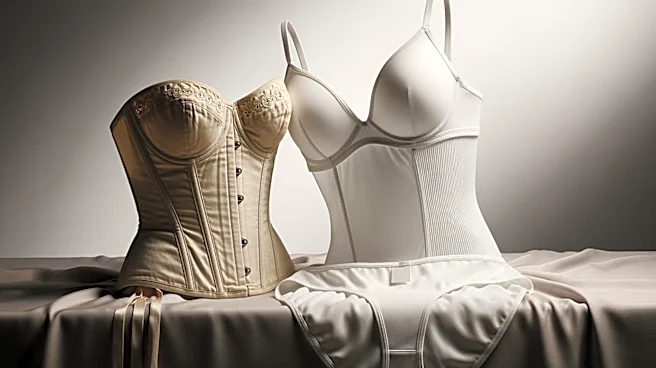
concept of lingerie as a visually appealing undergarment began in the late 19th century. During this time, Lady Duff-Gordon of Lucile pioneered designs that liberated women from the constraints of bulky corsets. Before the invention of crinoline, women's underwear was often large and cumbersome, but the introduction of smaller, less bulky corsets marked a turning point. These corsets gradually gave way to the brassiere, which was first patented in the early 20th century by Caresse Crosby.
The brassiere offered a more practical alternative to corsets, providing support without the restrictive boning. As women began to take on roles traditionally held by men during World War I, the demand for practical undergarments increased. Manufacturers responded by using lighter, breathable fabrics, paving the way for the modern bra.
Mid to Late 20th Century Developments
The mid-20th century saw further evolution in lingerie design. The 1940s idealized a thin waist with curvaceous hips and pointy breasts, achieved through girdles and padded bras. However, the 1960s brought a shift towards a more liberated female silhouette, reflecting changing social mores. Designers like André Courrèges embraced the youth culture, presenting androgynous figures and modern women comfortable with their bodies.
As the century progressed, lingerie became smaller and more form-fitting. The rise of brands like Frederick's of Hollywood and Victoria's Secret transformed lingerie into a fashion category, with glamorous designs and fashion shows becoming cultural events. The 1980s and 1990s saw lingerie being marketed as both functional and fashionable, appealing to a broader audience.
The 21st Century and Beyond
In the 21st century, lingerie has continued to evolve, embracing inclusivity and body positivity. Brands have expanded size ranges and diversified marketing imagery, featuring models of various body types and ethnicities. Rihanna's Savage X Fenty brand, launched in 2018, accelerated this shift, showcasing a wide array of models in its fashion shows.
The trend of lingerie as outerwear has also gained popularity, with bralettes, corsets, and bodysuits becoming common outerwear pieces. Designers like Alexander McQueen and Versace have incorporated lingerie elements into everyday fashion, blurring the lines between underwear and outerwear. As lingerie continues to adapt to cultural and fashion trends, it remains a symbol of personal expression and empowerment.