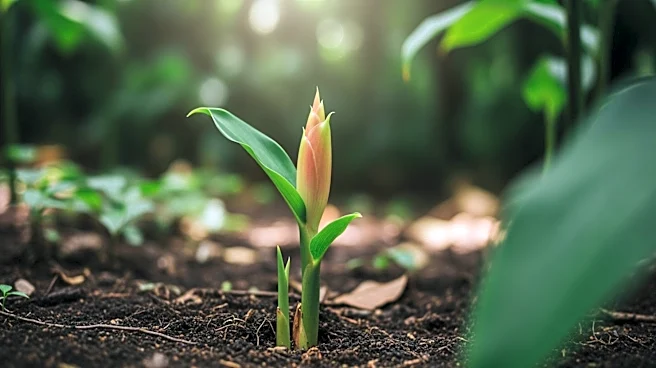





The Zingiberaceae family, known for its aromatic and medicinal plants, faces significant conservation challenges due to habitat loss and environmental changes. This article examines the threats to Zingiberaceae species and the efforts being made to preserve them, particularly in regions with high biodiversity.
Threats to Zingiberaceae Species
The Zingiberaceae family is primarily distributed in tropical and subtropical regions, where deforestation and habitat degradation pose major
threats. In Southeast Asia, a region with a high diversity of Zingiberaceae species, rapid deforestation for agriculture and urban development has led to the loss of natural habitats. This has put many species at risk, with nearly 300 out of approximately 14,450 species assessed being threatened.
Anthropogenic factors, such as land conversion and pollution, are the primary drivers of habitat loss. However, natural disasters like volcanic eruptions and tsunamis also contribute to the vulnerability of these species. The loss of habitat not only threatens the survival of individual species but also disrupts the ecological balance of the regions they inhabit.
Conservation Efforts
Conservation efforts for the Zingiberaceae family focus on both in situ and ex situ strategies. In situ conservation involves protecting species within their natural habitats, which requires effective management of protected areas and restoration of degraded ecosystems. This approach is crucial for maintaining the ecological integrity of regions like Southeast Asia, where many Zingiberaceae species are endemic.
Ex situ conservation, on the other hand, involves preserving species outside their natural habitats. Botanical gardens and genebanks play a vital role in this strategy by propagating and sustaining species that are close to extinction. These facilities provide a safeguard against natural threats and offer opportunities for research and education, which are essential for long-term conservation success.
Importance of Conservation
The conservation of Zingiberaceae species is not only important for biodiversity but also for the cultural and economic well-being of communities that rely on these plants. In regions like Thailand, Zingiberaceae plants are integral to local cuisines, traditional medicine, and socio-religious activities. Protecting these species ensures the continuation of cultural traditions and supports local economies.
As global awareness of environmental issues grows, the importance of conserving plant families like Zingiberaceae becomes increasingly evident. By addressing the challenges they face and implementing effective conservation strategies, we can help preserve these valuable plants for future generations.