




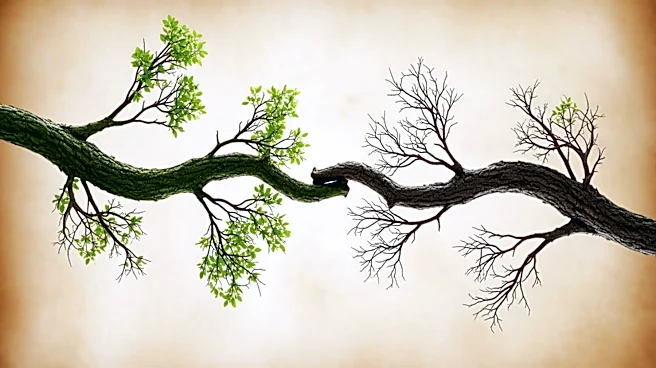


Sublimation is a mature defense mechanism that plays a significant role in personal and cultural development. It involves transforming socially unacceptable impulses into actions or behaviors that are socially acceptable and even admirable. This process allows individuals to channel their instincts into productive and culturally valued activities.
The Concept of Sublimation
Sigmund Freud introduced the concept of sublimation as a way to understand how individuals manage their
instincts within the constraints of society. He believed that sublimation was a sign of maturity and civilization, allowing people to function in culturally acceptable ways. Freud defined sublimation as the process of deflecting sexual instincts into acts of higher social valuation, such as scientific, artistic, or ideological pursuits.
Sublimation is seen as a positive defense mechanism compared to others like repression or denial. It involves translating distressing desires into acceptable forms, transforming sexual or aggressive energies into culturally admirable behaviors. This process serves a higher cultural or socially useful purpose, contributing to the creation of art, inventions, and other achievements.
Historical and Psychoanalytic Perspectives
Freud's daughter, Anna Freud, classified sublimation as one of the major defense mechanisms of the psyche. She emphasized its role in transforming libido into socially useful achievements. Freud developed his idea of sublimation while reading Heinrich Heine's "The Harz Journey," which described a character who redirected sadistic impulses into a beneficial career as a surgeon.
Sublimation is not limited to sexual instincts; it can also involve the transformation of aggressive energies. For example, business or athletic competition may offer opportunities for the expression of displaced aggression. In this way, sublimation allows individuals to channel potentially destructive impulses into constructive activities.
The Broader Impact of Sublimation
Sublimation has a significant impact on both individual development and cultural progress. By transforming unacceptable impulses into socially valued actions, individuals can contribute to the advancement of society. This process is evident in various fields, including art, science, and philosophy, where creative and intellectual pursuits are often driven by sublimated instincts.
Understanding sublimation as a defense mechanism provides insight into how individuals navigate the complexities of their instincts and societal expectations. By recognizing the role of sublimation, we can appreciate the ways in which it contributes to personal growth and cultural development, highlighting the transformative power of the human psyche.