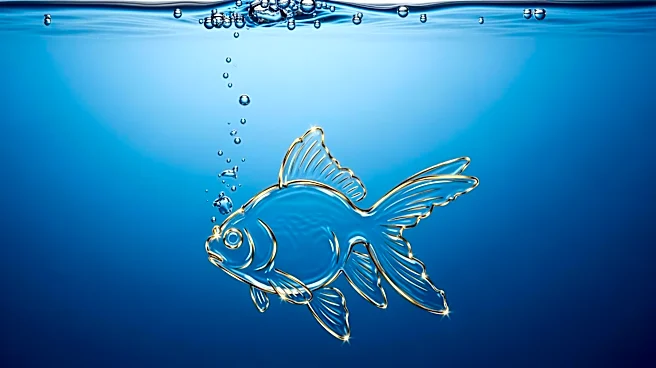

Goldfish, scientifically known as Carassius auratus, are fascinating creatures with unique biological traits and adaptations. As domesticated freshwater fish, they have developed various characteristics
that enable them to thrive in diverse environments. This article delves into the biology of goldfish, focusing on their vision, hearing, and reproductive behaviors.
Vision and Hearing
Goldfish possess one of the most studied senses of vision among fish. They have four kinds of cone cells sensitive to different colors: red, green, blue, and ultraviolet. This ability to distinguish between four primary colors classifies them as tetrachromats, allowing them to perceive a wide range of colors.
In addition to their advanced vision, goldfish have a well-developed sense of hearing. They have two otoliths that detect sound particle motion and Weberian ossicles that connect the swim bladder to the otoliths, facilitating the detection of sound pressure. These adaptations make goldfish highly responsive to auditory stimuli, contributing to their interactive behavior with humans.
Reproduction and Growth
Goldfish are egg-layers, and their reproduction typically occurs in captivity, especially in pond settings. Breeding usually happens after a significant temperature change, often in spring. Males chase gravid females, prompting them to release eggs by bumping and nudging them. The adhesive eggs attach to aquatic vegetation and hatch within 48 to 72 hours.
The fry begins to assume its final shape within a week, although it may take a year for them to develop mature goldfish coloration. Initially, they are metallic brown like their wild ancestors, growing quickly to avoid predation. Some selectively bred goldfish can no longer breed naturally due to their altered shape, requiring artificial methods like "hand stripping" to assist in breeding.
Adaptations to Environment
Goldfish have remarkable adaptations that allow them to survive in various conditions. They can endure short periods of anoxic conditions, a cold weather adaptation speculated to help them survive in frozen water bodies over winter. Energy is obtained from liver glycogen, a process involving pyruvate decarboxylase, the first known in vertebrates.
Although primarily freshwater fish, goldfish have been found in brackish water with a salinity of 17. Their gregarious nature and schooling behavior contribute to their success as a generalist species, displaying varied feeding, breeding, and predator avoidance behaviors.
Overall, goldfish are intriguing creatures with complex biological traits that have enabled them to become one of the most popular pets worldwide. Their adaptations and characteristics continue to captivate enthusiasts and researchers alike.