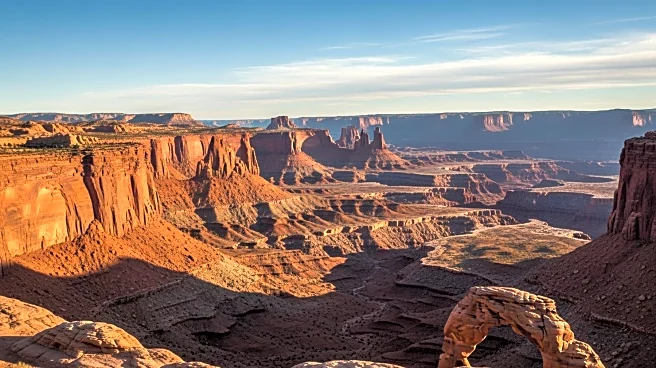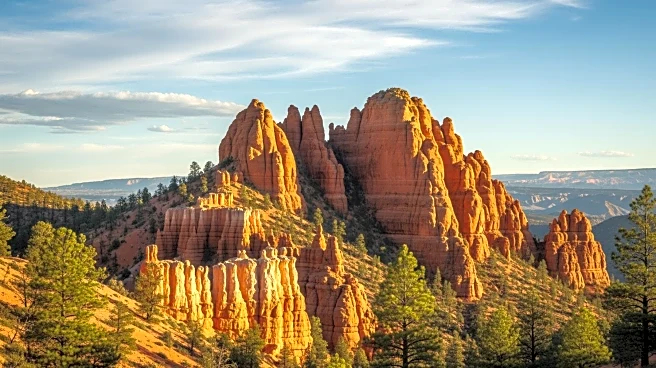

Bryce Canyon National Park is not only known for its stunning geological formations but also for its diverse ecosystems. The park spans three distinct life zones, each supporting a wide variety of plant and animal species. From the high-altitude forests to the meadows and plateaus, Bryce Canyon is a haven for biodiversity.
The Forested Plateaus
The higher elevations of Bryce Canyon are characterized by dense forests, primarily composed of fir and spruce trees. These forests provide
a habitat for a range of wildlife, including mule deer, elk, and mountain lions. The cooler temperatures and increased precipitation at these elevations create an environment that supports a rich diversity of plant life.
In addition to the larger mammals, the forested areas are home to numerous smaller species, such as squirrels and chipmunks. The park's bird population is also diverse, with species like peregrine falcons, ospreys, and various types of jays making their home in the trees. The forests of Bryce Canyon are a vital part of the park's ecosystem, offering shelter and sustenance to its inhabitants.
Meadows and Open Spaces
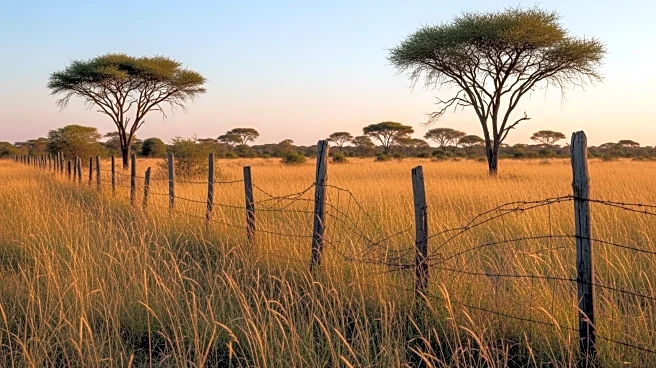
The meadows and open spaces of Bryce Canyon provide a different type of habitat, supporting a variety of grasses and wildflowers. These areas are crucial for grazing animals like pronghorn antelope and provide a hunting ground for predators such as coyotes and foxes. The meadows are also home to a range of bird species, including hawks and eagles, which can often be seen soaring overhead.
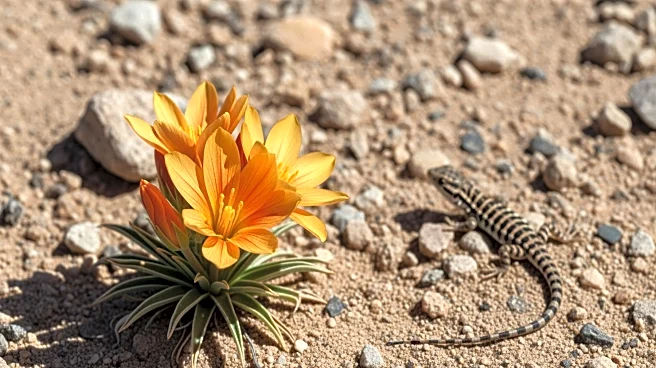
The plant life in these open areas is adapted to the park's unique climate, with many species able to withstand the dry conditions and temperature fluctuations. The meadows are a vibrant part of Bryce Canyon's ecosystem, offering a contrast to the dense forests and rocky formations.
The Role of Water in the Ecosystem
Water plays a crucial role in the ecosystems of Bryce Canyon, despite the park's relatively low annual precipitation. Streams and rivers, such as the Paria River, provide essential water sources for the park's wildlife. These waterways also contribute to the park's biodiversity by supporting aquatic life and providing habitats for amphibians and reptiles.
The presence of water in the park is vital for maintaining the delicate balance of its ecosystems. It supports the growth of plants, which in turn provide food and shelter for the park's animal inhabitants. The interplay between water, plants, and animals is a key component of Bryce Canyon's ecological diversity, making it a unique and valuable natural area.