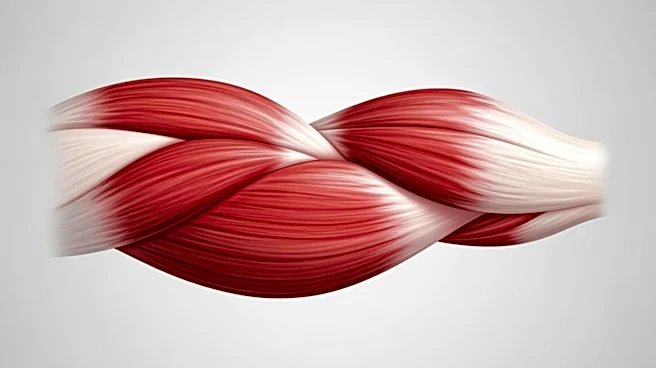





The triceps brachii, commonly known as the triceps, is a large muscle located on the back of the upper arm. It plays a crucial role in the movement and stability of the arm, making it an essential muscle for various physical activities. This article explores the structure of the triceps, its function, and its significance in strength training and everyday movements.
Structure of the Triceps Muscle
The triceps muscle is named for its three distinct heads: the medial, lateral, and
long head. Each head originates from different parts of the upper arm and shoulder, converging into a single tendon that inserts onto the olecranon process of the ulna. The medial head arises from the humerus, just below the groove of the radial nerve, while the lateral head originates from the dorsal surface of the humerus.
The long head of the triceps is unique as it crosses both the elbow and shoulder joints, originating from the scapula. This anatomical feature allows the long head to assist in shoulder movements, in addition to its primary role in elbow extension. The triceps muscle is innervated by the radial nerve, although in some individuals, the long head may receive additional innervation from the axillary nerve.
Function of the Triceps Muscle
The primary function of the triceps is to extend the elbow joint, straightening the arm. This action is essential for various activities, from pushing and lifting to throwing and striking. The triceps also act as an antagonist to the biceps and brachialis muscles, which are responsible for flexing the elbow.
Beyond its role in elbow extension, the triceps muscle contributes to the stabilization of the shoulder joint. The long head, in particular, aids in the retroversion and adduction of the arm, helping to maintain shoulder stability during complex movements. The triceps can also fixate the elbow joint, allowing for precise hand and forearm movements, such as writing or drawing.
Importance in Strength Training
In strength training, the triceps are often targeted through both isolation and compound exercises. Isolation exercises, such as cable push-downs and lying triceps extensions, focus specifically on the triceps, promoting muscle growth and strength. Compound exercises, like push-ups and bench presses, engage the triceps along with other muscle groups, providing a comprehensive upper body workout.
Training the triceps is crucial for achieving balanced arm development and enhancing overall upper body strength. A well-developed triceps muscle not only improves performance in sports and physical activities but also contributes to the aesthetic appearance of the arms. By understanding the structure and function of the triceps, individuals can tailor their training programs to effectively target this important muscle group.