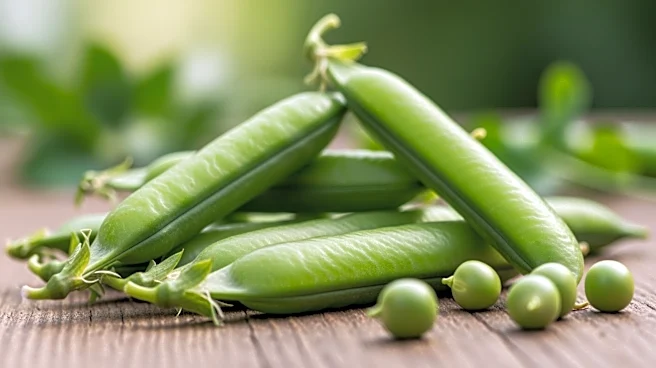






Peas are cultivated worldwide, with diverse varieties adapted to different climates and regions. This article explores the global cultivation practices of peas, highlighting the various types and their uses. From field peas to garden peas, the versatility of this legume has made it a staple in agriculture and cuisine across the globe.
Global Cultivation Practices
Peas are grown in many parts of the world, thriving as a cool-season crop. Planting can take place from winter to early
summer, depending on the location. Peas prefer cooler temperatures, growing best at soil temperatures of 10 °C (50 °F) and air temperatures between 13 to 18 °C (55 to 64 °F). They do not thrive in the summer heat of warmer temperate and lowland tropical climates but grow well in cooler, high-elevation tropical areas.
The cultivation of peas involves both low-growing and vining cultivars. Vining cultivars grow thin tendrils from leaves that coil around available support, allowing them to climb to heights of 1 to 2 meters (3 to 7 feet). Traditional support methods include using branches pruned from trees, known as pea sticks, or metal fences, twine, or netting supported by a frame.
Varieties of Peas
There are several varieties of peas, each with unique characteristics and uses. Garden peas, also known as English peas, are popular for their sweet taste and are often eaten fresh. Edible-pod peas, such as snow peas and snap peas, lack the tough membrane inside the pod wall, allowing them to be eaten whole. Snow peas have flat pods with thin walls, while snap peas have rounded pods with thick walls.
Field peas, sometimes called Pisum sativum subsp. arvense, are one of the oldest domesticated crops. They are grown for both human consumption and stockfeed, with several cultivars and colors, including blue, dun (brown), maple, and white. Field peas are marketed as a dry, shelled product, unlike garden peas, which are sold fresh or canned.
Peas in Global Cuisine
Peas are a versatile ingredient in global cuisine, used in a variety of dishes. In Europe, peas are a staple in soups and stews, while in Asia, they are often stir-fried with garlic and other vegetables. In North America, split pea soup is a traditional dish, and in the UK, mushy peas are a popular accompaniment to fish and chips.
The adaptability of peas to different climates and their diverse varieties make them a valuable crop worldwide. Whether consumed fresh, dried, or canned, peas continue to be a beloved ingredient in kitchens around the globe, contributing to the rich tapestry of global cuisine.