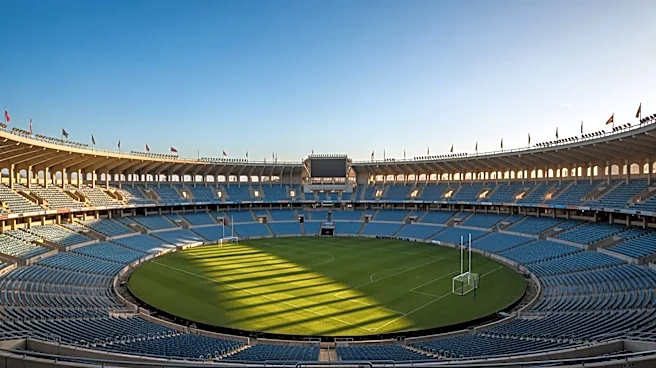



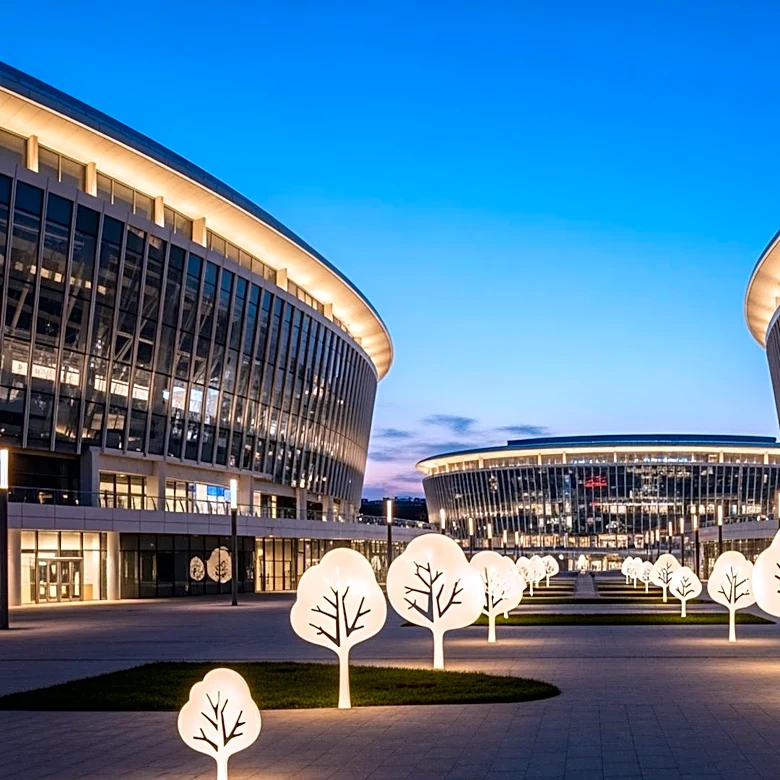



Stadio Renato Dall'Ara, located in Bologna, Italy, is not just a venue for football matches but a landmark of architectural innovation. Designed by Giulio Ulisse Arata and inaugurated in 1927, the stadium was originally known as Stadio Littoriale. It stands out for its pioneering design, which has influenced stadium architecture worldwide.
A Pioneering Design
When Stadio Renato Dall'Ara was inaugurated in 1927, it was one of the first stadiums to integrate the stands
into the overall architecture. This was a significant departure from the traditional designs of the time, where stands were often separate structures. The integration of the stands into the stadium's architecture allowed for a more cohesive and aesthetically pleasing design, setting a new standard for stadium construction.
The stadium's design included a large arch, which was a prominent feature. This arch originally contained an equestrian statue of Benito Mussolini, reflecting the political climate of the era. However, the statue was destroyed during the liberation of Bologna in 1943, marking a significant historical moment for the city and the stadium.
Historical Significance
Stadio Renato Dall'Ara has played a crucial role in the history of sports in Italy. It replaced the older Stadio Sterlino and became the home of Bologna FC. Over the years, it has hosted numerous significant events, including matches in the 1934 and 1990 FIFA World Cups. These events have cemented the stadium's place in the annals of sports history.
The stadium's capacity and design have allowed it to host not only football matches but also concerts and other large-scale events. Its ability to accommodate up to 55,000 people for concerts demonstrates its versatility and enduring relevance in the world of sports and entertainment.
A Legacy of Innovation
The architectural innovations of Stadio Renato Dall'Ara have left a lasting legacy. Its design has influenced the construction of stadiums around the world, setting a precedent for integrating stands into the overall architecture. This approach has become a model for modern stadium design, emphasizing the importance of aesthetics and functionality.
Today, the stadium continues to serve as a vital part of Bologna's cultural and sporting landscape. Its historical and architectural significance makes it a landmark not only in Italy but also in the broader context of sports architecture. As it continues to host events and welcome visitors, Stadio Renato Dall'Ara remains a testament to the enduring impact of innovative design.